Games Beaten 2025

Anything that is gaming related that doesn't fit well anywhere else
User avatar
PartridgeSenpai
Next-Gen
Posts: 3173
Joined: Mon Dec 14, 2015 9:27 am
Location: Northern Japan

Re: Games Beaten 2025

Post by PartridgeSenpai »

Partridge Senpai's 2025 Beaten Games:
Previously: 2016 2017 2018 2019 2020 2021 2022 2023 2024
* indicates a repeat

1~50
1. Arc Rise Fantasia (Wii)
2. Return of the Obra Dinn (PC)
3. Battlefield: Hardline (PS3)
4. Call of Duty: Black Ops (PS3)
5. Call of Duty: Black Ops II (PS3)
6. Dead Nation (PS3)
7. Kileak, The Blood 2: Reason in Madness (PS1)
8. Paro Wars (PS1)
9. in Stars and Time (Steam)
10. Tetris Battle Gaiden (SFC)
11. Super Tetris 3 (SFC)
12. Battlefield 4 (PS3)
13. Call of Duty: Modern Warfare 2 (PS3)
14. Call of Duty: Modern Warfare 3 (PS3)
15. Call of Duty: Black Ops III (PS4)
16. Call of Duty: Infinite Warfare (PS4)
17. Call of Duty: WWII (PS4)
18. Resistance 3 (PS3)
19. Tearaway: Unfolded (PS4)
20. Grow Home (PS4)
21. Grow Up (PS4)
22. Ratchet & Clank (2016) (PS4)
23. Dark Sector (Steam)
24. Nagano Winter Olympics '98 (N64)
25. Multi-Racing Championship (N64)
26. Super Smash Bros. (N64)
27. Puyo Puyo Sun 64 (N64)
28. Shin Nippon Pro Wrestling: Toukon Road - Brave Spirits (N64)
29. Jikkyou Pawafuru Puroyakyuu 6 (N64)
30. Let's Smash (N64)
31. Mario Tennis 64 (N64)
32. Ucchannanchan no Honō no Challenger: Denryū Iraira Bō (N64)
33. Jikkyou Pawafuru Puroyakyuu 4 (N64)
34. FIFA: Road to the World Cup 98 (N64)
35. Jikkyou Pawafuru Puroyakyuu 2000 (N64)
36. Jikkyou Pawafuru Puroyakyuu 5 (N64)
37. Time and Eternity (PS3)
38. Pokemon Red (GB)
39. Dr. Mario 64 (N64)
40. Shining Force Neo (PS2)
41. Chou Kuukan Nighter: King of Pro Baseball (N64)
42. Tales of Destiny 2 (PS2)
43. Star Wars: Episode I - Racer (N64)
44. ChoroQ 64 (N64)
45. F-Zero X (N64)
46. Homefront (PS3)
47. Ape Escape: Pumped & Primed (PS2)
48. F-Zero (SNES)
49. Castlevania: Lament of Innocence (PS2)
50. Castlevania: Curse of Darkness (PS2)
51~100
51. Wave Race 64 (N64)
52. Bakushou Jinsei 64: Mezase! Resort-ou (N64)
53. Mother (Famicom)
54. Famista 64 (N64)
55. Weird and Unfortunate Things are Happening (PC)
56. Kirby and the Rainbow Curse (Wii U)
57. Mario Kart Wii (Wii)
58. Wario Land: Shake it! (Wii) *
59. Mario Party 8 (Wii) *
60. Zack & Wiki: Quest for Barbaros' Treasure (Wii)
61. SimCity 2000 (N64)
62. Prototype (PS3)
63. Prototype 2 (PS3)
64. Final Fantasy X (PS2) *
65. Final Fantasy X-2 (PS2)
66. Grand Theft Auto: Vice City (PS2)
67. Crackdown (Xbox 360)
68. Crackdown 2 (Xbox 360)
69. Alan Wake (Xbox 360) *
70. Dead to Rights (Xbox)
71. Medal of Honor (PS3)
72. Mario Kart 8 (Wii U)
73. Donkey Kong Country Returns (Wii) *
74. Mario Party 9 (Wii) *
75. Dragon Ball Z: Budokai 2 (PS2)
76. Splashdown (PS2)
77. R4 Ridge Racer Type 4 (PS1)
78. Super Smash Bros. Brawl (Wii) *
79. Star Fox (SNES)
80. Kamen Rider: Battride War (PS3)
81. Mario Kart: Double Dash!! (GC) *
82. Final Fantasy VII: International Edition (PS1)
83. Final Fantasy VIII (PS1)
84. Final Fantasy IX (PS1) *
85. Pac-Man World (PS1)
86. Super Ghouls'n Ghosts (SFC)
87. Disney's Aladdin (SNES)
88. Mega Man: Wily Wars (MD)
89. The Magical Quest Starring Mickey Mouse (SNES)
90. The Great Circus Mystery Starring Mickey & Minnie (SNES)
91. Mickey to Donald Magical Adventure 3 (SFC)
92. Disney's The Little Mermaid (NES)
93. Little Nemo: The Dream Master (NES)
94. Gunman's Proof (SFC)
95. Blaze & Blade: Busters (PS1)
96. Void Stranger (Steam)
97. Fortune Street (Wii)
98. Max Payne (PS2)
99. Momotaro Dentetsu V (PS1)
100. Shodan Morita Shogi (SFC)
101. Rayman 2: The Great Escape (N64)
102. Bio Miracle Bokutte Upa (Famicom)
103. Panic Restaurant (NES)
104. Mr. Gimmick (NES)
105. Bucky O'Hare (NES)
106. Wheel of Fortune (N64)
107. Resident Evil 2 (PS1)
108. Dragon Quest VI (SFC)
109. Ninja Gaiden (NES)
110. StarTropics (NES)
111. Parody World: Monster Party (Famicom)
112. Super Mario Bros 2 (NES)
113. Kamen No Ninja Hanamaru (Famicom)
114. Power Blade (NES)
115. Power Blazer (Famicom)
116. Metroid (NES)
117. Kid Icarus (NES)
118. New Super Mario Bros. U (Wii U) *
119. Ganbare Goemon 3: Shishi Juurokubee no Karakuri Manjigatame (SFC)
120. Hitman: Blood Money (Xbox 360)

121. Super Bonk (SNES)

I’ve played the other 4 mainline console Bonk games at varying points over my life (even the Japan-only sequel to this game), but this is the one game in the mainline series that I just never got around to playing. Going through a lot of older action games lately, it seemed like a perfect time to rectify that negligence! This game isn’t too hard, so I managed to never game over once despite never having so much as seen footage of it before, and it ultimately took me a little under 2 hours to beat the English version of the game.

Super Bonk (or Bonk 4, as I’ll call it from here for simplicity’s sake) is very similar to the previous two games in the series made by A.I. and Red Entertainment, and that extends from the gameplay to the light as usual story. The evil green T-rex, King Drool, is back yet again, so it’s Bonk’s job to stop him! It’s a perfectly fine excuse for the action, even if it doesn’t do anything to help this Bonk game stand apart from the others at all.

That similarity extends to the gameplay as well. Bonk’s controls are weird, weighty, and floaty as ever, and you can run, jump, and head bonk your way through the game like you’ve always been able to. The flipping by spinning repeatedly is a bit more awkward on the SNES controllers since they lack the TG16’s turbo functions, but it’s not a really major issue with how they’ve got the physics programmed in this one. There’s still definitely a learning curve to how and when to flip and unflip to both manipulate your jump momentum as well as attack enemies, but I seem to have retained my muscle memory from the earlier games in the series that I never had too much trouble with this game. This game also isn’t too terribly hard either, which is helpful. Much like Bonk 2 and 3, Bonk 4 is pretty generous with extra lives, and its bosses and normal enemies aren’t anywhere near as merciless as Bonk 1’s were, so even if you’re not a really skilled action platformer veteran, I don’t think you’ll have too much trouble with this one.

I think it’s pretty easy to excuse the similarity at least in Bonk 4’s case, as it was the first console entry to not be on the PC Engine, but and it’s at least changing things up a *little*. Bonk has 6 large stages to get through, but instead of long, linear levels like the older games have, Bonk 4 actually has relatively nonlinear stage design. There are many points where you can pick from two or even three different paths forward. The levels aren’t maze-like, and it’s thankfully impossible to go backwards by accident and start getting lost, but it’s still a neat evolution on Bonk’s gameplay formula that provides a bit more replayability for people interested in such things. The other major change from the older games is that Bonk can also change his size with certain powerups. Rather than just normal and small Bonk, with the latter often being a downgrade, you now have small, normal, and large Bonk sizes with different pluses and minuses to each (you can jump higher if you’re bigger, but you’re also a larger target and can’t fit into small bonus areas). It’s nothing super impressive or interesting, but at least it’s one more thing to help this game stand apart from its caveman predecessors.

That’s really all there is to say on the gameplay. If you’ve played earlier Bonk games, pretty much nothing else here will likely surprise you very much. You’ve got expandable max health, instant respawns upon death, lots of mini-game flowers to find and play. A.I. and Red were good at keeping a good level of quality, and I certainly don’t dislike a competently made game with a relatively forgiving difficulty curve, but it doesn’t really make for anything terribly interesting or worth exploring in the modern day. If anything, this game ended up being so easy that it almost makes me want to go back to the old ones even more, since they were more interesting when they were a bit harder and bosses couldn’t be bonk-spammed down so trivially.

The aesthetics are nice as usual, but the operative word there is, as with other aspects of the game I’ve talked about, “usual”. The graphics are very much the same kind of colorful and wacky as Bonk 2 and 3 were. The animations are nice and fluid, and it’s not an ugly looking game by any measure, but it will still be eminently familiar to anyone experienced with previous Bonk games. The same goes for the music, which is fine and fits the tone of the game well, but it’s nothing really worth writing home about on its own.

Verdict: Hesitantly Recommended. Super Bonk absolutely isn’t a bad game. Wonky control physics aside, it’s a perfectly competent and fun 16-bit action platformer. If you’re in the mood for something short, wacky, and not too hard, I think this fits the bill very nicely. There’s just not much more to it than that. Compared to other greats on the system by devs like Capcom or Nintendo, Super Bonk is really nothing terribly impressive or worth seeing, which I suppose is very in keeping with the quality of the previous games, in a way <w>
I identify everyone via avatar, so if you change your avatar, I genuinely might completely forget who you are. -- Me
User avatar
REPO Man
Next-Gen
Posts: 5093
Joined: Tue Jul 29, 2008 8:05 pm
Location: Outer Banks, NC

Re: Games Beaten 2025

Post by REPO Man »

Beat the Resident Evil 2 remake for PS5 as Jill, but I had to switch to Assisted mode due to keep getting killed by the penultimate boss. A mix of a lack of ammo and a controller with stick drift. That stick drift has also popped up in a few other games, mostly shooters.
User avatar
Kosciuszko
Newbie
Posts: 1
Joined: Sat Nov 15, 2025 2:02 pm

Re: Games Beaten 2025

Post by Kosciuszko »

REPO Man wrote: Fri Nov 14, 2025 8:49 pm Beat the Resident Evil 2 remake for PS5 as Jill, but I had to switch to Assisted mode due to keep getting killed by the penultimate boss. A mix of a lack of ammo and a controller with stick drift. That stick drift has also popped up in a few other games, mostly shooters.
RE2 Remake was on sale a few weeks ago and I missed out before the sale ended. Have you played the other remakes?
User avatar
REPO Man
Next-Gen
Posts: 5093
Joined: Tue Jul 29, 2008 8:05 pm
Location: Outer Banks, NC

Re: Games Beaten 2025

Post by REPO Man »

Not yet. Also, I swear I bought RE3's remake but for some reason I don't see it in my collection.

Only other survival horror remakes I've played are the ones for Dead Space and Silent Hill 2.
User avatar
MrPopo
Moderator
Posts: 24190
Joined: Tue Aug 26, 2008 1:01 pm
Location: Orange County, CA

Re: Games Beaten 2025

Post by MrPopo »

Previous Years: 2015 2016 2017 2018 2019 2020 2021 2022 2023 2024

First 50:
1. Tomb Raider II Remastered - PC
2. Tomb Raider III Remastered - PC
3. Blade Chimera - Switch
4. Cyber Shadow - Switch
5. Signalis - Switch
6. Ender Magnolia - Switch
7. SimCity 2000 Special Edition - PC
8. Ghost Song - Switch
9. Citizen Sleeper 2 - Switch
10. Vengeful Guardian: Moonrider - Switch
11. The Last Faith - Switch
12. Anger Foot - PC
13. Avowed - PC
14. Bloodstained: Ritual of the Night: Classic Mode - Switch
15. Bloodstained: Ritual of the Night: Classic II: Dominque's Curse - Switch
16. The Legend of Heroes: Trails Through Daybreak II - PS5
17. Pacific Drive - PC
18. Mekkablood: Quarry Assault - PC
19. Tempest Rising - PC
20. Astalon: Tears of the Earth - Switch
21. Voidwrought - Switch
22. Death's Gambit: Afterlife - Switch
23. Mechwarrior 5: Ghost Bear: Flash Storm - PC
24. Clair Obscur: Expedition 33 - PS5
25. Doom: The Dark Ages - PC
26. Haiku the Robot - Switch
27. Alwa's Awakening - Switch
28. Warhammer 40000: Boltgun: Words of Vengeance - PC
29. Alwa's Legacy - Switch
30. Wizordum - PC
31. Project Warlock II - PC
32. Exophobia - PC
33. Haunted Castle Revisited - Switch
34. Mario Kart World - Switch 2
35. Rebel Transmute - Switch
36. Guns of Fury - Switch
37. Street Fighter Alpha 3 - Dreamcast
38. Street Fighter III 3rd Strike - Dreamcast
39. Vampire Chronicle for Matching Service - Dreamcast
40. Record of Lodoss War - Dreamcast
41. Skald: Against the Black Priory - PC
42. Between the Stars - PC
43. Evoland - Switch
44. Donkey Kong Bananza - Switch 2
45. Evoland 2 - Switch
46. Shadow Labyrinth - Switch
47. Warhammer 40000: Boltgun: Forges of Corruption - PC
48. Hexen: Vestiges of Grandeur - PC
49. Heretic: Faith Renewed - PC
50. Viscerafest - PC
51. Galactic Civilizations II - PC
52. Alan Wake 2: The Lake House - PC
53. Rogue Flight - Switch
54. Tony Hawk's Pro Skater 3 - Gamecube
55. System Shock 2 Remastered - PC
56. Mechwarrior 5: Mercenaries: Shadow of Kerensky - PC
57. Hollow Knight: Silksong - Switch
58. Borderlands 4 - PC
59. Daemon x Machina: Titanic Scion - Switch 2
60. Cats Organized Neatly - PC
61. Cultic: Chapter Two - PC
62. Moros Protocol - PC
63. Tormented Souls 2 - PS5
64. Dragon Quest I HD-2D Remake - Switch
65. Dragon Quest II HD-2D Remake - Switch
66. The Outer Worlds 2 - PC

The Outer Worlds 2 sees Obsidian return to their Fallout-inspired sci-fi universe to explore more a future where corporations have gained tremendous power. This game is set on a different colony, with a player character with a better-defined backstory who has more to do than just "survive".

The events of Outer Worlds 2 are set in the system of Arcadia, the system that produces all of the skip drives that enable interstellar travel. You are a member of the Earth Directorate, a group of troubleshooters who intervene when a colony is too oppressed by either corporations or autocrats. At least, that's what the propaganda says. The game begins with your team infiltrating Arcadia, as you have heard that there is the possibility of retrieving an unsealed skip drive, allowing the dissemination of its secrets and break Arcadia's monopoly. Naturally, things go wrong, you get punted into an escape pod for 10 years, and a giant rift in space time consumes the station you were on. When you are finally retrieved, you discover that a corporation has moved in and is at war with the local autocracy. And a third faction is in the mix; religious scientists who splintered from the autocracy. One thing is clear; the rifts are multiplying, and it's a danger to everyone.

Like before, the game has an art deco style and takes a lot of cues from the 3D Fallout games in terms of tone. There's an earnestness to everything, contrasting earnest autocracy with earnest unfettered capitalism with earnest "we can understand the universe with enough math". The game even has radio stations for the three factions, with the Autie's Choice being the best one, as it's full of peppy 50's-style advertising songs that have no business being as catchy as they are.

The game has a straightforward skill points and perks system: you gain two skill points every level and one perk point every two levels. Most perks have skill prerequisites, and the game only gives enough skill points for you to max three skills at most. This is a game that encourages you to specialize and accept you can't see all the content/"win" all the conversations in a given playthrough. Fortunately, things are balanced pretty well, so you can't really make a bad character. You don't even need to take any combat skills, as smart use of perks and other bonuses can make up for not having a raw damage boost in combat.

One other component in character development is the flaws system. This is a reactive system where every now and then the game will give you the option of taking a flaw. This flaw is always related to an action you were taking and will have a benefit and a downside. For example, if you sneak around a lot you'll be prompted to take the Weak Knees flaw, which boosts your crouch speed but causes your knees to make a loud pop whenever you stand, alerting enemies in a wide radius. You always have the option to reject a flaw, but it adds a lot of flavor and many can have the benefits outweigh the downsides.

The game is spread across four planets and a handful of small areas. The planets serve as smallish open world areas, typically with about 5-6 major structures dotted about the landscape. You start off doing the first two serially, then once you push the story forward can explore the other two in whatever order you like (and indeed, will bounce between them often to solve quests). You get a slate of six companions, all with personal quests that end with giving them a significant combat upgrade. Companions also provide passive benefits, such as acting as a mobile crafting bench or giving a chance to not use a consumable.

I ended up enjoying this game more than the first. The refined systems were more interesting, and the story was much stronger. I don't even remember anything about the story of the first game beyond you waking up as a frozen colonist. If you're a fan of the 3D Fallout games or the first game, I would recommend this one.
Blizzard Entertainment Software Developer - All comments and views are my own and not representative of the company.
User avatar
PartridgeSenpai
Next-Gen
Posts: 3173
Joined: Mon Dec 14, 2015 9:27 am
Location: Northern Japan

Re: Games Beaten 2025

Post by PartridgeSenpai »

Partridge Senpai's 2025 Beaten Games:
Previously: 2016 2017 2018 2019 2020 2021 2022 2023 2024
* indicates a repeat

1~50
1. Arc Rise Fantasia (Wii)
2. Return of the Obra Dinn (PC)
3. Battlefield: Hardline (PS3)
4. Call of Duty: Black Ops (PS3)
5. Call of Duty: Black Ops II (PS3)
6. Dead Nation (PS3)
7. Kileak, The Blood 2: Reason in Madness (PS1)
8. Paro Wars (PS1)
9. in Stars and Time (Steam)
10. Tetris Battle Gaiden (SFC)
11. Super Tetris 3 (SFC)
12. Battlefield 4 (PS3)
13. Call of Duty: Modern Warfare 2 (PS3)
14. Call of Duty: Modern Warfare 3 (PS3)
15. Call of Duty: Black Ops III (PS4)
16. Call of Duty: Infinite Warfare (PS4)
17. Call of Duty: WWII (PS4)
18. Resistance 3 (PS3)
19. Tearaway: Unfolded (PS4)
20. Grow Home (PS4)
21. Grow Up (PS4)
22. Ratchet & Clank (2016) (PS4)
23. Dark Sector (Steam)
24. Nagano Winter Olympics '98 (N64)
25. Multi-Racing Championship (N64)
26. Super Smash Bros. (N64)
27. Puyo Puyo Sun 64 (N64)
28. Shin Nippon Pro Wrestling: Toukon Road - Brave Spirits (N64)
29. Jikkyou Pawafuru Puroyakyuu 6 (N64)
30. Let's Smash (N64)
31. Mario Tennis 64 (N64)
32. Ucchannanchan no Honō no Challenger: Denryū Iraira Bō (N64)
33. Jikkyou Pawafuru Puroyakyuu 4 (N64)
34. FIFA: Road to the World Cup 98 (N64)
35. Jikkyou Pawafuru Puroyakyuu 2000 (N64)
36. Jikkyou Pawafuru Puroyakyuu 5 (N64)
37. Time and Eternity (PS3)
38. Pokemon Red (GB)
39. Dr. Mario 64 (N64)
40. Shining Force Neo (PS2)
41. Chou Kuukan Nighter: King of Pro Baseball (N64)
42. Tales of Destiny 2 (PS2)
43. Star Wars: Episode I - Racer (N64)
44. ChoroQ 64 (N64)
45. F-Zero X (N64)
46. Homefront (PS3)
47. Ape Escape: Pumped & Primed (PS2)
48. F-Zero (SNES)
49. Castlevania: Lament of Innocence (PS2)
50. Castlevania: Curse of Darkness (PS2)
51~100
51. Wave Race 64 (N64)
52. Bakushou Jinsei 64: Mezase! Resort-ou (N64)
53. Mother (Famicom)
54. Famista 64 (N64)
55. Weird and Unfortunate Things are Happening (PC)
56. Kirby and the Rainbow Curse (Wii U)
57. Mario Kart Wii (Wii)
58. Wario Land: Shake it! (Wii) *
59. Mario Party 8 (Wii) *
60. Zack & Wiki: Quest for Barbaros' Treasure (Wii)
61. SimCity 2000 (N64)
62. Prototype (PS3)
63. Prototype 2 (PS3)
64. Final Fantasy X (PS2) *
65. Final Fantasy X-2 (PS2)
66. Grand Theft Auto: Vice City (PS2)
67. Crackdown (Xbox 360)
68. Crackdown 2 (Xbox 360)
69. Alan Wake (Xbox 360) *
70. Dead to Rights (Xbox)
71. Medal of Honor (PS3)
72. Mario Kart 8 (Wii U)
73. Donkey Kong Country Returns (Wii) *
74. Mario Party 9 (Wii) *
75. Dragon Ball Z: Budokai 2 (PS2)
76. Splashdown (PS2)
77. R4 Ridge Racer Type 4 (PS1)
78. Super Smash Bros. Brawl (Wii) *
79. Star Fox (SNES)
80. Kamen Rider: Battride War (PS3)
81. Mario Kart: Double Dash!! (GC) *
82. Final Fantasy VII: International Edition (PS1)
83. Final Fantasy VIII (PS1)
84. Final Fantasy IX (PS1) *
85. Pac-Man World (PS1)
86. Super Ghouls'n Ghosts (SFC)
87. Disney's Aladdin (SNES)
88. Mega Man: Wily Wars (MD)
89. The Magical Quest Starring Mickey Mouse (SNES)
90. The Great Circus Mystery Starring Mickey & Minnie (SNES)
91. Mickey to Donald Magical Adventure 3 (SFC)
92. Disney's The Little Mermaid (NES)
93. Little Nemo: The Dream Master (NES)
94. Gunman's Proof (SFC)
95. Blaze & Blade: Busters (PS1)
96. Void Stranger (Steam)
97. Fortune Street (Wii)
98. Max Payne (PS2)
99. Momotaro Dentetsu V (PS1)
100. Shodan Morita Shogi (SFC)
101. Rayman 2: The Great Escape (N64)
102. Bio Miracle Bokutte Upa (Famicom)
103. Panic Restaurant (NES)
104. Mr. Gimmick (NES)
105. Bucky O'Hare (NES)
106. Wheel of Fortune (N64)
107. Resident Evil 2 (PS1)
108. Dragon Quest VI (SFC)
109. Ninja Gaiden (NES)
110. StarTropics (NES)
111. Parody World: Monster Party (Famicom)
112. Super Mario Bros 2 (NES)
113. Kamen No Ninja Hanamaru (Famicom)
114. Power Blade (NES)
115. Power Blazer (Famicom)
116. Metroid (NES)
117. Kid Icarus (NES)
118. New Super Mario Bros. U (Wii U) *
119. Ganbare Goemon 3: Shishi Juurokubee no Karakuri Manjigatame (SFC)
120. Hitman: Blood Money (Xbox 360)
121. Super Bonk (SNES)

122. Plok (SNES)
This was a game I owned when I was very much in my collector phase living back in the States. I recall getting quite far in it, but the vehicle sections in the last section were just too much for me, and I never made it to the end of the game. Still very much on my retro action game kick atm, I decided that this would be a perfect opportunity to go back and finish this old abandoned game of mine. It was VERY close, but I managed to beat the American version of the game on normal mode with 1 continue without any save states or such at all. This was after an initial abandoned run that got me about halfway through the game, and my total playtime for both runs was 5.5 hours.

Plok! is about the titular character. He wakes up one morning to discover that his precious square flag is gone! He runs off to Cotton Island to get it back, only to discover upon his return that the entire island has been overrun by invading Fleas in his absence! It’s now up to Plok to go around the whole island beating up these upstarts and reclaiming what’s his. The game has a lot of weird dialogue from Plok before and after most stages, some of which are very infamously silly online, but there’s not a ton of story here (which is pretty normal for a 16-bit platformer). The weirdest part of the writing to me is that Plok comes off as something of a king stamping down a local uprising against his rule. The game certainly doesn’t lean into that framework, and I also seriously doubt it was a conscious choice by the creators to tell a pro-colonialism story like that, but it’s also *so* easy to read into the events of the game that I can’t help but mention it here XD

The actual gameplay of Plok is of a decidedly mixed quality, but it’s got some quite cool ideas. The main gimmick here is Plok himself and how he maneuvers through stages. With his Rayman-like build, Plok can fire his arms and legs at enemies to defeat them. This means you can fire up to four short-range projectiles at enemies at a time, but to fire any more you’ll need to wait until your limbs float back to you. Lacking certain limbs like your feet can even prevent you from walking and jumping (naturally), meaning you’ll need to awkwardly hop around instead until you get your legs back. There are even many obstacles in later stages that require Plok sacrifice a limb (sometimes a specific one) to progress, making for some very interesting and challenging stage design as the game goes on as you must fight enemies with progressively less limbs until you happen upon the coat hanger that they’ve been hung on in the meanwhile.

There are two general types of stage: flea and non-flea stages. In the latter, you just go from one end of the stage to the other, but in the former, you’ve got to find and eliminate all of the fleas around the level before the exit will activate for you to beat the level with. All of the stages are still fairly linear, and you don’t really have a terrible chance of getting lost or anything in the flea stages. Even in the levels that have something approximating branching paths, a helpful arrow will appear on screen after a while and direct you towards the next flea you’re meant to go to in the order you’re intended to kill them in (making it very easy to tell when you’ve accidentally skipped one by mistake). The big challenge of flea stages ends up being the fleas themselves, as they’re quite tough. They thankfully stay dead if you die mid-stage, but fleas are very dangerous opponents. In addition to being very mobile with their hopping, they also take 3 hits to kill and have a long period of invincibility after being hit once. It winds up being very easy to get jumped by one and take a big chunk of damage in the process, and that’s an issue for a game as challenging (and often unfair) as Plok! is.

Plok is a British-developed action platformer, and as is so often the case, that means the level design is something to be desired. That said, Plok is on the whole a rather well designed and well-polished action game for a British-developed entry in the genre, but the biggest weakness that just doesn’t let up is just how often you’re ambushed by something you couldn’t’ve possibly seen coming. Plok is rather large on screen and so are his enemies. Stages mercifully don’t have time limits to complete them, as just how easy it is for a single enemy projectile to take out more than half your health makes it so careful, calculated progress is the only real kind you can make (especially if you’re playing a level for the first time). The game can have a remarkably fun and good pace to it if you’ve played a level before, though. On that second, successful playthrough, I only lost two lives (on the game’s most unfair boss) getting back to the halfway point that I’d stopped at the previous day, and I’d gone through 2+ continues getting to that point previously. Death is very costly in Plok, though, especially as you get farther and farther through the game, and that’s another very serious problem with the experience.

Though you can use a special move to sacrifice collected shells for a very brief power (i.e. worthless) power increase, getting enough shells gives you an extra life in the classic platformer style. Most early levels are full enough of shells that, even if you’re struggling, you’re likely not to not lose too many net-lives because you’re getting them just about as fast as you’re losing them if you’re still making good progress in the level. Beating a level without dying at all also earns you a letter of the word PLOK, and getting all 4 gets you an extra continue. This is nowhere near as helpful as it seems, though, because of how the last leg of the game is set up. Using a continue brings you back to the level after the last boss you fought. The game has generally quite well designed bosses (save for the first two, which are the same awful fight), and they’re rather frequent for most of the game, so that’s a very workable method of progression for most of the game.

However, in the game’s last world, you’ve got to get through *7* quite difficult, long stages each focused around a different and completely new vehicle mechanic before you can get to the final boss at all. Using a continue here means going all the way back to the first of the 7, and beating all 7 with only 3 lives is going to be a very tall order with just how sparse extra lives become in this last leg of the game. I was absolutely elated that I managed to beat the last boss (with one hit left on my last life) not just because I wanted the victory, but because I also knew that failure here basically meant completely restarting the game if I actually wanted another chance at victory. The end game vehicle stages are finicky, far too long, and tedious to play through normally the first time, let alone once again with far less lives than you entered it, and this lack of restraint and meaningful checkpoints makes the aforementioned unfair obstacle placement that much more grating to deal with.

Thankfully, though, Plok! also shares another common feature with British-developed games, and that’s a very big focus on aesthetics. The graphics are fairly good, even if nothing special. They have a TON of color used in their surreal designs, and the enemies and stages manage to make something somewhat cartoony and cohesive despite that. The music, however, is the real star of the show here. Plok!’s biggest reason for being known at all online is most likely its music, because it’s one of the best soundtracks on the console as far as I’m concerned. Damn near every track is a total banger, and it makes the replaying of the whole game you’ll likely have to do far more tolerable as a result XD

Verdict: Hesitantly Recommended. Plok’s mechanical design is in a very frustrating place. It has a lot of cool ideas and quite different feeling stages, so you rarely feel like you’re just doing the same thing over and over again. These cool ideas are mired in that poor continue system and unfair obstacle design, and it makes the game far better on a replay than a first play. It’s hardly Rick Dangerous-levels of memory test gameplay, as many obstacles are absolutely dodgeable if you play carefully, but being forced to play that slowly and carefully can get quite boring for an action platformer this long. I enjoyed Plok’s music and gameplay well enough that I think it’s a fun game others might enjoy too, but it’s definitely going to test people’s patience just as much as it’s going to get their feet tapping.
----

123. Batman: The Video Game (NES)
This is one of a fair few old NES action platformers I’ve had my eye on for a while. This game has a good reputation, but that’s all I really knew about it other than “the Joker is f’-ing impossible”. After playing stuff like Ninja Gaiden recently, I was very curious to see just how tough this game actually was, especially with Sunsoft’s very spotty record on the Famicom in terms of actual gameplay polish. I ended up using save states to make retrying the final bosses easier, but it ultimately took me around 1 hour and 40 minutes to beat the English version of the game.

Batman: The Video Game is ostensibly based off of “Batman”, the 1989 movie. However, as is the case with most licensed 8-bit games of this type, it is a very loose inspiration at best. There are a couple of locations like the chemical plant or clock tower that you might recognize from the film, and the cutscenes between stages do an admirable job of trying to recreate famous shots or show famous lines from the movie, but that’s really all you’ll get. The license, in that regard, is pretty unimportant in the specifics. I actually saw this movie rather recently for the first time, so I can comfortably say that most of the game’s stages are absolute gibberish compared to the movie’s events, and you’re not going to be getting much of the movie’s plot from this either if you haven’t seen it. It still provides a more than adequate enough excuse for the action at hand, though, and you also don’t even need to worry about having the film spoiled for you if you play this game (other than Batman winning at the end, naturally)! X3

The actual gameplay is a really neat take on how to make a Batman game. Unlike the GameBoy game that Sunsoft also made for this movie (which is more of a run & gun), this game takes a lot more from Ninja Gaiden than it does from MegaMan. Batman has 3 subweapons that all take from a shared ammo pool, but unlike Ryu in Ninja Gaiden, Batman can switch between his whenever he likes rather than needing to find respective weapon pickups for them. Batarangs take 1 ammo per shot, your Bat-gun takes 2, and the crazy Bat-shuriken things that split into 3 appropriately take 3 ammo per shot. Batman also has a basic punch that he can naturally do for no cost at all. Rather than having you hold up and then press the attack button like in Ninja Gaiden or Castlevania, your attack is simply whichever weapon you have selected at the time. Switching between them with the Select button can be a bit awkward, but I honestly kind of like the approach they use here.

Batman has 5 stages to make his way through with various sub-sections in each. Dying or continuing will just respawn you at the last screen transition you hit, making it just that much more (kinda) like Ninja Gaiden on the NES. What makes it the most Ninja Gaiden-y, though, is Batman’s ability to wall jump off of walls to scale up heights. He can’t climb up or cling to walls, just repel off of them. Even still, this mechanic works with a remarkable degree of sensitivity for a licensed game. Just like with your normal jumps, holding the jump button longer will give you a longer jump, and they manage to fine tune it to the point where it just feels awesome to do. There are some quite demanding jumps in this game, particularly near the end, where the demands of your jumping are *so* precise that I think it leaves the realm of reasonable stage design, but on the whole, the level design is really fair and well-balanced, and it makes for a really fun time.

The combat doesn’t have a terribly huge amount of enemies, but they’re used well in ways that make it feel like there are more than there actually are. Normal enemies freeze when hit, meaning your no-range punches are actually a much more viable method of attack than one might assume at first, and even your batarangs do multi-hits if they pass through an enemy. For both normal enemies and bosses, your available attack options have a remarkable amount of utility to them, and it makes figuring out how to tackle each obstacle a very cool challenge. The game’s respawn points and such are all generally rather fair and nice feeling, but that all goes out the window once you hit the final stage.

The clock tower is just one big level, no sub-areas, so if you die during the stage, you’ve gotta do the whole thing again from the start. The bosses of that level are also absolutely nuts too. Not only do you have a really mean and fast normal boss, but then you also have the Joker (who is indeed as f’-ing impossible as I’d heard) right after him to contend with, and only 3 lives to do it with. I’d gotten to that boss and gotten mulched enough times that I eventually just plopped a save state right at his front door (much like I did with Ninja Gaiden), so I could have repeat attempts at beating him more easily. It felt awesome when I finally beat him, but the Joker after that was such an insane brick wall that I actually gave up at first, though. It was only after looking up how a longplay on Youtube beat him that I went back and tried it myself, and after enough tries, I finally made their strategy work and made it to the end of the game.

The Joker is definitely the weakest part of this game if only because of the stage he’s at the end of. It’s such an absurd endurance match that this game would be an absolute monster to beat without some kind of Game Genie infinite life cheat on the original hardware. He’s the only enemy in the game who can do more than 1 damage to you at a time, and his 3 damage bullets mince through your health in an instant if you’re not careful. The path to victory turned out to be a strategy I’d happened upon in the previous boss of stage 4. A lot of the game’s enemies, some bosses included, have a VERY hard time hitting you if you’re crouching and rapidly punching. It’s not all damage types, but crouch-punching your way to victory is a remarkably viable strategy when you’re feeling stuck. Sure, it’s a bug and not a feature, but it makes an otherwise nigh insurmountable game so much more survivable that it’s hard for me to feel anything but grateful that it’s there XD

In terms of aesthetics, as is so often the case with Sunsoft 8-bit games, it’s heckin’ fantastic. The graphics are really nice and very much look the part of a late-life NES game. Enemies and stages are well designed and cool looking, but the thing that leapt out to me most was Batman himself. From the way he wall jumps to even the fluttering of his cape as he walks, he’s got a remarkable amount of animation frames for the time, and it also isn’t burdened by poor play control either. The music is also naturally fantastic. As is basically always the case, Sunsoft NES games always have good music, and this is no exception to that rule.

Verdict: Hesitantly Recommended. I did have fun with this game, but it’s just *so* hard that it’s fairly hard to recommend the vanilla experience. While I never did rewinds or save states mid-fight or mid-level to get past something for the first time, I don’t think I ever would’ve been able to beat this one without at least infinite lives to get past the final bosses. If you’re okay with a cheat like that (or rewinds/save states), then this is a pretty fun NES action platformer to play through if you want a good challenge. Otherwise, I really can’t particularly recommend this game to anyone but the most dedicated of 8-bit action sickos, because you’re going to need a hell of a lot of patience going through that clock tower over and over if you’re ever going to beat the Joker.
----

124. Power Blade 2 (NES)
After loving the original Power Blade and decidedly not loving the original Power Blazer, it was only a matter of time before I made it to the third(-ish) game in the series. Sure, Power Blazer was an overly difficult slog, but Power Blade was so well put together that I’ve been telling every 8-bit action fan I know that they should play it. I went in to Power Blade II with fairly high expectations, and I’m sorry to have to open this review by saying that it really didn’t hold up to them in the end. I ended up using quite a lot of save states and rewinds in the game’s final sections, and it took me about 1.5 hours to beat the English version of the game.

Power Blade II once again follows the hero of the first game, Nova, the super secret special forces trooper. A mysterious company called the Delta Corporation have built a new ultimate android. They’re offering to sell it to the US military, but they’re also threatening to sell it to an enemy nation if the US isn’t cooperative. The government sends in Nova to destroy the Delta Corporation rather than risk either side of their extortion. Armed with his ancient power blade(s), he’s got to save the world once again! It’s a pretty unoriginal story, and it has some very odd turns at points while also inexplicably introducing new characters out of nowhere a time or two, but it’s still a perfectly fine excuse for the action at hand for an NES game.

The gameplay is, for the most part, more Power Blade but in a new and altered formula. The titular weapons still function as they did in the last game. You can fire them in 8 directions, and collecting more powerups means you can throw up to three of them farther and stronger with each powerup. Rather than the previous game’s 6 selectable stages with a final 7th one, this game only has 4 selectable stages with a final two levels after that. However, with just how hard these levels are, it’s a small mercy that there are relatively fewer of them. The game doesn’t have much of a difficulty curve to it. The first level is well balanced enough to get you into the swing of things, but things get quite hard after that and only get harder. A friend watching me play it mentioned that it looked effectively like a game composed entirely of Wily’s Castle stages from MegaMan in terms of difficulty, and I have a hard time disagreeing with that statement. A hard game isn’t necessarily a bad thing, of course, but with punishment mechanics like this game has, it’s hard to say it’s a very good thing here.

In each of the first four stages there’s an optional dragon sub-boss you can fight. If you beat him, you’ll get a special power suit exclusive to that stage. You can equip any power suit at any time, not unlike MegaMan, and also quite like MegaMan, using the suit drains an energy meter that you’ll need to refill before you can use your suits anymore. Your suits are incredibly powerful upgrades, but not primarily for your weapon, interestingly enough. Sure, it’s nice that they turn your power blade boomerangs into power waves that phase through walls to hit enemies, but that’s not their best feature.

Three of the four power suits give you extremely enhanced mobility (climbing walls, free swimming, and outright flight respectively), with the fourth providing two options that eliminate enemy projectiles as soon as they’re fired. Basically functioning like super charged versions of MegaMan’s Rush upgrades, these suits are invaluable with how many instant death traps and bottomless pits this game has, but there’s a big catch to their use. If you use a continue, you lose ALL of the power suits you’ve collected thus far. Previous stages cannot be replayed, so they’re gone forever unless you restart the game from the beginning. Extra lives do exist, but they’re only really rewards for beating stages. This leaves your only option left being to play carefully and just not die, which is a far cry in difficulty from other, better balanced action games on the system.

Getting through even all of the normal 4 stages without the power suits you’re getting along the way is a VERY big challenge, and that ratchets up to 11 once you get to the final two stages. On top of that, only the very first selectable stage felt at all like it was balanced to be played from the start with no powerups. Running out of lives and using one of your infinite continues also resets your powerups back to square one, and even outside of lacking your power suits, you’ll have an incredibly difficult time getting any more or anywhere at all with just how unforgiving so many challenges before you will be without any powerups.

A very large amount of obstacles from stage 2 forward are designed with the idea that the player already has the ability to throw their boomerangs the maximum possible range. Lacking that ability puts you at the mercy of how well you can dodge the hail of bullets and enemies about to come your way, and that’s something more commonly outright impossible rather than simply difficult. If you’ve still got your power suits and full powerups, Power Blade II’s stages and bosses are quite fun and well designed. The threat of dying is never too far away, but you at least feel like you have a fighting chance when you’re powered up. With the punishment for failure being THIS severe, Power Blade II ends up becoming a nerve-wracking test of endurance and perfection of execution that its predecessor never was, and it’s a far worse game for it.

The aesthetics of the game are quite nice at least, as you’d expect from both the quality of its predecessor as well as being a 1992 NES game in general. It struggle with slowdown here and there, but it mostly does a good job of running well and looking very nice between the nicely animated main character and cool designs for stages and enemies. The music is also very nice too, which is good with how often you’ll be hearing the same songs as you try to reach the level of perfection this game demands of the player ^^;

Verdict: Not Recommended. After how good Power Blade 1 was, I never imagined that I wouldn’t be able to recommend its successor at all, but here I am. Power Blade II has a lot of good design and fun ideas on the surface, but the sheer difficulty of the experience makes it a challenging to a fault. This kind of complaint isn’t out of the ordinary for an NES game, of course, but that’s fairly cold comfort when your options for far better action platformers of this type are so numerous in the modern day. You’re much better off just replaying the original Power Blade or some other better balanced action game rather than trying to engage with this perfection test.
----

125. Ninja Gaiden II: The Dark Sword of Chaos (NES)
This was the last of the 8-bit action games that I had on my to do list for now. Though I ultimately couldn’t beat it without save states, I quite enjoyed my time with the first Ninja Gaiden a few weeks back. I’ve only ever heard that the sequel was even better, so it was only a matter of time before I finally sat down like this and saw what Ryu Hayabusa’s next adventure had in store for me. I once again used save states to make retries of the final bosses more reasonable, but it still only took me around 1.5 hours to beat the English version of the game.

Taking place a year after the first game, Ninja Gaiden II is a direct continuation of the previous game’s story. The main bad guy of the last game, Jaquio, was far from the last of baddies after ultimate demonic power like he was. Ashtar, the evil lord of the Realm of Darkness, is out to carry on where his underling left off. Using the titular Dark Sword of Chaos, he plans to unleash demons and conquer the world into a new age of eternal darkness, and only Ryu Hayabusa can stop them! It’s about as clichéd as the previous story, but it’s still very 80’s style action movie fun. I’m not sure if I was just this burned out of this type of action game at the point I played this, but I honestly felt the cutscenes start to drag after a while. They’re often very impressive for the NES, especially the colors used in the wide shots of the villains’ castles, but they dragged on so long I eventually started holding down the speed-up key just to make the text go faster without actually skipping them ^^;. Irene, the female lead from the last game, is a kidnapped damsel to an almost comical degree, and the twists just really failed to grab me. It’s not a bad or harmful story in any way, but I think that it’s lost a lot of what made it so technically impressive back when it was new.

It's just an excuse for our new ninja adventure though, and what an adventure it is! Ryu can jump and slash with his sword, cling to walls, and find special ninjutsu sub-weapons to unleash upon his foes. Anyone who’s played the first game will likely be relatively familiar with things here, but Tecmo has given Ryu quite the new and advanced arsenal since his last adventure. In addition to the things before, we’ve got a whole host of new goodies to smash baddies with. On the more minor end of things, your total amount of sub-weapon ammo is far lower than it was in the last game. That’s because you can actually find special powerups that increase your maximum ammo for the rest of the game. It even carries over between continues! It’s a small touch, but something like that is *so* uncommon for this genre on the NES that I just had to give it a special shoutout here.

There’s plenty of big flashy stuff beyond that, though. Ryu’s sub-weapons have gotten a bit of a touch up since the last game. In addition to most of the previous game’s sub-weapons returning, he’s also got a few new ones including a downward-firing fireball. In addition to that, Ryu also starts every new life with the default throwing shuriken, providing some well needed extra offense which is very appreciated with just how many baddies you have to face here. His sub-weapons are extra powerful because of his last and most important powerup: afterimages. These shadow clones will mirror his actions, following the exact steps and movements he takes as well as both slashing when he does *and* casting their ninjutsu sub-weapons when he does. You lose your afterimages upon death, so it’s important to be careful with them once you have them, but if you can manage to keep one or both up, you’ll truly be a force to be reckoned with, even against harder bosses. I’m not a huge fan of how some bosses basically demand at least one shadow clone helper to have a snowball’s chance to hit them at all, but that is what it is.

Beyond specifics like that, I found Ninja Gaiden II to largely be a much more fun and well-balanced game than its predecessor. Enemies deal far less damage on the whole, and the enemy that randomly throws axes/knives in your general direction has been removed entirely. The new enemies that have been added in their place are hardly a picnic, but taking so much less damage means that just finding optimal ways to *run* past enemies is far more viable than it ever was in the first game, and it made for a much better pace to the action for me as a result. In addition, Tecmo has basically completely eliminated hard difficulty walls that punish you as hard as 6-2 does in the original Ninja Gaiden. This game is still tough as heck, and it’s still got a final boss with three stages that stay dead between your deaths, but thankfully they no longer send you all the way to the start of the act upon death at it this time, at least. Ninja Gaiden II is still a really mean game, but much like the first, I think if I just had a bit more patience to replay from continuing, this is definitely a game I could beat without save states and such. More importantly, unlike Ninja Gaiden 1, this game is more fun and better polished enough that there’s a much better chance of me sitting down some day to do just that X3

Aesthetically, this game is even more impressive than the first. The game has little bits of slowdown here and there, but it manages to usually keep a lot of enemies on screen that both look cool and move smoothly without the game lagging much at all despite that. Boss and enemy design are fun and novel, and despite how they kinda outstayed their welcome for me, the cutscenes do look very impressive for an NES game. The music is also fantastic here just as it was in the last game, and it fits your ninja mission excellently.

Verdict: Hesitantly Recommended. This is a stronger hesitant recommendation than I gave the first game, but it’s still hesitant. It’s a well-polished but still very tough NES action platformer, and it carries with that baggage both negative and positive. If you’re a fan of this kind of game and don’t mind the challenge (especially an experience a bit more forgiving and fun than Ninja Gaiden 1 had been), then you’ll probably get a lot of fun out of this if you somehow haven’t played it yet, but if you’ve always found these sorts of games too hard to be any fun, then Ninja Gaiden II will definitely not change your mind on that point.
I identify everyone via avatar, so if you change your avatar, I genuinely might completely forget who you are. -- Me
User avatar
MrPopo
Moderator
Posts: 24190
Joined: Tue Aug 26, 2008 1:01 pm
Location: Orange County, CA

Re: Games Beaten 2025

Post by MrPopo »

Fun Ninja Gaiden 2 fact: the Malice Four bosses from NG1 show up as regular enemies in NG2 (appropriately scaled down and with a single attack).
Blizzard Entertainment Software Developer - All comments and views are my own and not representative of the company.
User avatar
Note
Next-Gen
Posts: 1555
Joined: Thu Feb 05, 2009 4:39 pm
Location: NYC

Re: Games Beaten 2025

Post by Note »

1. Streets of Rage 3 (GEN)*
2. Iridion II (GBA)*
3. Final Fantasy III (SNES)
4. Tenchu: Stealth Assassins (PS1)
5. Shockman Zero (SNES)
6. Suikoden (PS1)
7. Chiki Chiki Boys (GEN)
8. Altered Beast (GEN)
9. Jewel Master (GEN)
10. Fight'N Rage (NSW)
11. Lunar: Silver Star Story Complete (PS1)
12. Phantasy Star (SMS)
13. Super Metroid (SNES)
14. Double Dragon (Arcade)
15. Final Fight (Arcade)
16. Street Fighter II Turbo: Hyper Fighting (SNES)
17. Virtua Fighter 2 (SAT)
18. Yoshi's Story (N64)
19. Crusader of Centy (GEN)
20. Koudelka (PS1)
21. Castlevania: Bloodlines (GEN)

Image

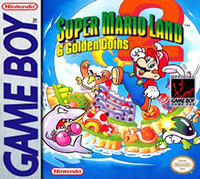
22. Super Mario Land 2: 6 Golden Coins (GB)

Super Mario Land 2 is one of those titles I had a chance to enjoy in passing, as my cousins that lived a few hours from me got the game as a gift, and I was able to check it out while visiting them. I had enjoyed what I played of it and always wanted to give it another shot, but picking up a copy was on the backburner. About two years ago, I saw a copy for a decent price at a vendor’s booth while checking out the local annual convention near me, and decided to go for it.

Gameplay wise, Super Mario Land 2 contains a lot of the standard elements we have come to know in the Mario formula. However, there are some big changes here in comparison to his first adventure on the Game Boy. One thing you’ll notice right away is that this game includes an overworld map, similar to SMB3 or SMW, and you’re able to play through the levels in any order you like. As you’re going through the levels, your main objective is to obtain the six golden coins that Mario needs to enter the castle, which Wario has taken over. Once those six golden coins have been collected, you can now access the final level.

In regard to power-ups, there are two included here, being the fire flower, that lets you shoot fire balls around the level, and the carrot, which gives you bunny ears and the ability to continuously jump for a long stretch. Both are quite useful in different situations. Another feature unique to Super Mario Land 2 is that coins do not directly lead to 1 ups. This time around, you’ll be collecting coins and bringing them to a shop where you can win additional lives and power-ups in a mini-game. The end of each level also has a similar bonus game, which you can unlock by ending the stage at the upper exit with the bell.

Graphics wise, Super Mario Land 2 is a big step up from the first Super Mario release on the Game Boy. The character sprites are more detailed and larger, the enemies look a lot better, the power-ups are much easier to distinguish, and the levels feature a lot of nice touches. The game almost looks 16-bit, and Nintendo did a great job squeezing out every ounce of power from the Game Boy. Soundtrack wise, the music definitely fits with the atmosphere of the game and there are some nice tunes here. My favorite is probably the theme song for the Star Maze levels. However, this isn’t music I would necessarily listen to outside of the game.

I really only have one criticism of Super Mario Land 2, and I think other gamers that played this title may have a similar sentiment. Most of the levels are fairly easy and don’t present that great of a challenge. However, once unlocked, the final castle level is quite tough. The difficulty spike is pretty ridiculous and it took me quite a lot of tries to finally get through it all. I really wish Nintendo balanced out the difficulty here, and perhaps broken up the castle into a few stages that ramped up the pressure.

Overall though, Super Mario Land 2 is a fun platformer and I think it’s one of the best games the Game Boy has to offer. If you’re a fan of Nintendo’s first handheld or platformers in general, I think you should check this one out, just beware of the difficulty spike at the end.
User avatar
Note
Next-Gen
Posts: 1555
Joined: Thu Feb 05, 2009 4:39 pm
Location: NYC

Re: Games Beaten 2025

Post by Note »

1. Streets of Rage 3 (GEN)*
2. Iridion II (GBA)*
3. Final Fantasy III (SNES)
4. Tenchu: Stealth Assassins (PS1)
5. Shockman Zero (SNES)
6. Suikoden (PS1)
7. Chiki Chiki Boys (GEN)
8. Altered Beast (GEN)
9. Jewel Master (GEN)
10. Fight'N Rage (NSW)
11. Lunar: Silver Star Story Complete (PS1)
12. Phantasy Star (SMS)
13. Super Metroid (SNES)
14. Double Dragon (Arcade)
15. Final Fight (Arcade)
16. Street Fighter II Turbo: Hyper Fighting (SNES)
17. Virtua Fighter 2 (SAT)
18. Yoshi's Story (N64)
19. Crusader of Centy (GEN)
20. Koudelka (PS1)
21. Castlevania: Bloodlines (GEN)
22. Super Mario Land 2: 6 Golden Coins (GB)

Image

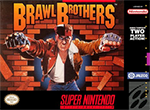
23. Brawl Brothers (SNES)

(After a few nights of having trouble logging into the forum, I'm able to log back in and post this review!)

Brawl Brothers is the second game in the Rushing Beat series of beat ‘em ups, the sequel to what we know as Rival Turf in the States. Back in the day I saw photos of Brawl Brothers in action and thought it looked fun, but I don’t recall coming across it for rent or in stores, so I didn’t get a chance to play it until much later. For this playthrough I played as Slash.

Regarding the gameplay, Brawl Brothers gives you a choice between five characters, with the two from Rival Turf returning. You also get to pick an additional character to start with. I was confused by this at first, but then realized the bosses throughout the game are the other characters, and as you beat each one, you unlock them to use throughout the rest of the adventure. Brawl Brothers consists of only four levels; however, each one is quite long, more so than your standard level in the genre. Also, in the US version, two of the stages have maze-like elements. Yes, that’s right – two of the levels here have paths that can take you back into a previous level, and you’ll need to figure out the correct pathway to move forward through the stage.

The graphics in Brawl Brothers are pretty impressive for a 16-bit era title. Many of the level backgrounds are bright and colorful and take advantage of the SNES’s capabilities. I do like the designs for the main characters as well, although some of them can come off as a bit generic. Having Lord J, the judo master, be the larger stronger character is an interesting choice. I also like the look of Kazan, but he wasn’t my favorite to play as. As for the henchmen, you’ll face everything from soldiers, to wrestlers, to cyborgs. It’s an odd mix, but it’s fun to see what’s next. Soundtrack wise, I think the composers did a nice job with the music here. It definitely fits the genre. My favorite song out of the bunch is titled “Race through the Jungle.” Also, I need to take a moment to go over the cover art here. Unfortunately, the cover art we got in the States is pretty terrible in comparison to the JP release. It’s too bad the US releases for this series had their titles and covers changed so drastically.

As mentioned earlier, my main criticism of the game is the maze-like elements included in the sewer level and the underground base. Trying to figure out which path is correct isn’t exactly what I want to be doing while making my way through waves of enemies. My understanding is that the JP version didn’t include these elements, which I think would make the game much more accessible, especially when playing casually with a friend or family member.

Overall, Brawl Brothers is a pretty solid beat ‘em up. In my opinion, it isn’t in the top tier of the genre on the console, but if you’ve already played those games and are looking for something else to dig into, this is a good one to check out! I'd enjoy trying this out in co-op sometime. I’ll also have to spend some more time with the other games in the series to compare.
User avatar
ElkinFencer10
Next-Gen
Posts: 8960
Joined: Fri Aug 13, 2010 8:34 pm
Location: Elkin, North Carolina
Contact:

Re: Games Beaten 2025

Post by ElkinFencer10 »

Games Beaten in 2025 - 25
* denotes a replay

January (Not Shit Beaten)

February (Not Shit Beaten)

March (Not Shit Beaten)

April (Not Shit Beaten)

May (Not Shit Beaten)

June (6 Games Beaten)
1. Doom: The Dark Ages - Series X - June 2
2. Call of Duty: Black Ops 6 - PlayStation 5 - June 16
3. Nintendo Switch 2 Welcome Tour - Switch 2 - June 16
4. Fast Fusion - Switch 2 - June 17
5. Sniper Elite: Resistance - PS5 - June 21
6. Mario Kart World - Switch 2 - June 22
July (10 Games Beaten)
7. Legend of Zelda: Echoes of Wisdom - Switch - July 1
8. Raidou Remastered: The Mystery of the Soulless Army - Switch 2 - July 4
9. Final Fantasy Pixel Remaster - Switch - July 12
10. Clair Obscur: Expedition 33 - Series X - July 14
11. Final Fantasy II Pixel Remaster - Switch - July 18
12. Final Fantasy III Pixel Remaster - Switch - July 20
13. Alan Wake 2 - PC - July 22
14. Final Fantasy IV - Switch - July 26
15. Donkey Kong Bananza - Switch 2 - July 31
16. Final Fantasy V - Switch - July 31
August (3 Games Beaten)
17. Final Fantasy VI - Switch - August 12
18. Warhammer 40,000: Space Marine - Series X - August 12
19. Gears of War Reloaded - PlayStation 5 - August 26
September (3 Games Beaten)
20. Silent Hill 2 - PlayStation 5 - September 1
21. Silent Hill: The Short Message - PlayStation 5 - September 1
22. Silent Hill f - PlayStation 5 - September 29
October (2 Games Beaten)
23. Trails in the Sky: 1st Chapter - Switch 2 - October 15
24. Pokemon Legends Z-A - Switch 2 - October 27
November (1 Game Beaten)
25. Battlefield 6 - PlayStation 5 - November 18

Image

The Battlefield series has always promised two things - huge areas of operation and wanton destruction. Battlefield 6 delivers on both fronts, although it’s made some tweaks to the environment destruction in hopes of enhancing the gameplay experience by focusing destruction on tactical advantages rather than destruction for the sake of destruction (which I honestly preferred, but oh well). Battlefield 6 also addresses my biggest complaint from Battlefield 2042 which was the lack of a single player campaign. The campaign in Battlefield 6 is definitely the game’s weakest link, and no one is going to be wowed by a gripping narrative or engaging character development, but I wouldn’t call it outright bad.

Image

As a major AAA game that both commands a premium price tag and is infested with microtransactions, one would expect that some of that money be put into making the game a graphical showcase that performs well. I mean, the money obviously didn’t go into hiring talented script writers. Fortunately, it is my pleasure to report that DICE (technically “Battlefield Studios” but whatever, it’s basically DICE and friends) has once again managed to pull off a game with impressive visuals and solid performance. On PlayStation 5 and Series X, you can choose between a Fidelity mode at 1440p with a 60 fps target or a Performance mode at 1280p with a frame rate up to 90 fps. PS5 Pro is definitely the best way to play the game on console with 2160p60 in Performance and 1620p90 in Fidelity. Series S, being the inferior “good enough I guess” console of the generation, only has a single mode that runs at 1080p and 60 fps. PC players, obviously, have a lot more possible resolutions and frame rates depending on their hardware specifications, but the game ships with a 2160p144 preset for those whose hardware can handle it.

Image

Visually, this is definitely the best-looking Battlefield yet. Battlefield 2042 look fantastic, but this game definitely takes better advantage of this generation’s hardware, and that makes sense considering that EA FINALLY dropped support for last gen hardware. The character models in campaign cutscenes especially look amazing. With richly detailed environments, well designed particle effects, and environments that show the damage they receive from battle, Battlefield 6 is definitely an impressive graphical achievement. I haven’t played Call of Duty: Black Ops 7 yet to compare, but Battlefield 6 definitely looks better than Black Ops 6, and I thought that game was gorgeous.

Image

The single player is definitely the worst element of the game, so let’s go ahead and discuss that. Long story short, it’s fine. It’s a solid 6 or 7 out of 10 war game. The missions themselves are fun to play with a variety of objectives to accomplish, although they do feel a bit same-y after a while, and the campaign is what I would consider to be a good length neither leaving you neither thirsting for more nor overstaying its welcome. The problem I have is the missed potential; the campaign’s story was almost awesome. You play as a squad of US Marines in a war against a mercenary company called Pax Armata that has managed to fracture the NATO alliance and basically is pursuing world domination. Your primary mission is to square off against a Scottish lunatic highly ranked in Pax Armata named Kincaid and try to foil his terrorist-esque attack plans. There’s the shady CIA and NSA schemes that are almost ubiquitous with modern shooters, and that’s really where the campaign lost me. The NATO vs Pax Armata war, which is not terribly believable in my opinion (a private mercenary company putting the United States Armed Forces on the backfoot? Yeah right), was a pretty cool premise that I was really into. Then they had to go and throw CIA spookery into it. Normally I like CIA spookery - I’m a huge fan of the Black Ops sub-series of Call of Duty - but it was just badly executed here. In the campaign’s last mission, you feel like the curtain is finally about to rise to reveal the interconnected webs of corruption, backroom deals, and betrayals that link everything that’s happened, and then the game just ends. It definitely implies a lot of the connection, and the CIA’s role is explained at the end, but it’s an extremely underwhelming end. There’s no narrative resolution, no satisfying showdown, no valiant last stand. It ends on a bit of a cliffhanger, and I doubt we’ll see a direct continuation considering how lackluster the reception to the campaign has been.

Image

Multiplayer is, even more than in Call of Duty, the bread and butter of Battlefield, and that’s a lot of fun. It feels like there is a bit of work they can do to improve balance, but overall, I’ve enjoyed my time with it. Portal makes a return which is both a fan favorite and my personal favorite part of 2042 as well as the standard multiplayer with an array of game types. Because god forbid there be one singular company that doesn’t try to jump on this god forsaken bandwagon, EA also rolled out Battlefield REDSEC, their free-to-play battle royale for the peasants and plebeians out there. The map and weapon variety does feel a little bit limited at the moment, but EA improved and added a lot of content to Battlefield 2042 over the course of its lifespan, so I’m confident similar improvements will come to Battlefield 6. I may hate live service games for encouraging companies to launch barely complete games with the promise of future fixes, but at least it guarantees that content will be added as time goes on.

Image

Battlefield 6 feels, in a lot of ways, like a return to form. I, personally, loved Battlefield’s experimentation in the past few games with Battlefield 1 taking us into the trenches of World War I, Battlefield V returning us to the epic battles of World War II, and Battlefield 2042 taking us into a future far enough ahead to feel advanced but close enough to present day to feel believable. That said, Battlefield did seem to hit its mainstream stride with its modern set games, and that setting definitely makes Battlefield 6 feel safe and familiar. I would love to see the series return to World War I or revisit Cold War conflicts like Vietnam or maybe even Korea. That said, though, I’m content with Battlefield 6. The campaign is definitely a let-down, and the multiplayer doesn’t revolutionize the series or break new ground in the genre, but it’s a solidly good time.
Patron Saint of Bitch Mode
Post Reply