56: Little Samson
In case you want another Mega Man-esque run 'n' gun on the NES, here's one that's up there with Darkwing Duck, Krion Conquest, Totally Rad, and Power Blade. This time you can choose between four different forms. Most notable is the mouse form, which dies easily but capable of climbing in all directions while attacking with timed bombs. It's well produced, even for a 1992 release. Definitely not worth hundreds of bucks, but totally worth checking out any way you can.
6/10
57: One Night Burlesque
A brisk detective starring burlesque performers and their eccentric "fans". Somebody will kill your performer friend, and via conversations you'll hopefully find out who and how. There's the ability to read minds, but that only leads to artsy imagery. The sleuthing is ultimately based on assumptions, putting more emphasis on analyzing personalities than honing in on facts. Still, the writing isn't half bad, the story is varied, and there's a certain delight to see how much style is squeezed out of such a modest production.
5/10
58: Rocket League
Yeah, so the name doesn't portray the intensity of matches as much as Supersonic Acrobatic Rocket-Powered Battle-Cars, but everything else? It's for the better. Especially the feel of the physics. Shooting from the wall is easier thanks to longer air time to use your dodge/boost. There's something mesmerizing about the difficulty of controlling the ball and the elation of occasionally actually getting the results you were hoping for. Online ranked is its own beast, but as a single player experience, you can nevertheless get the sensation of getting better and better. Unfortunately, the AI (including your teammates) is brain-dead, so you'll eventually find ways to win games 20-1.
7/10
Games Beaten 2025
Re: Games Beaten 2025
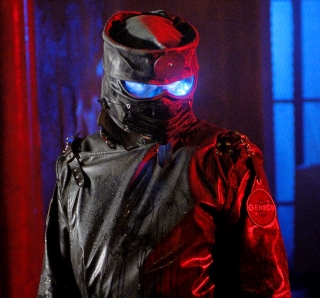
World of Horror for Switch, albeit just a run. Basically, made it to the run's endgame without dying, so it's not like I full-on 100%ed the whole game.
EDIT: beat another run.
EDIT: beat another run.

Re: Games Beaten 2025
Previous Years: 2015 2016 2017 2018 2019 2020 2021 2022 2023 2024
First 50:
51. Galactic Civilizations II - PC
52. Alan Wake 2: The Lake House - PC
53. Rogue Flight - Switch
54. Tony Hawk's Pro Skater 3 - Gamecube
55. System Shock 2 Remastered - PC
56. Mechwarrior 5: Mercenaries: Shadow of Kerensky - PC
57. Hollow Knight: Silksong - Switch
58. Borderlands 4 - PC
59. Daemon x Machina: Titanic Scion - Switch 2
60. Cats Organized Neatly - PC
61. Cultic: Chapter Two - PC
Chapter Two is the follow up to the base game, which ended on a cliffhanger of you having stopped the initial plans of the cult, but they still had more in the works. The game ended with you jumping into the portal defended by the giant monster you killed, presumably to go wherever the cult was planning its next horror. The free map The Interlude shows that the portal unceremoniously dumps you to a fatal fall. But just like before, you wake up from your apparent corpselike state and go on a further rampage against the cult.
You'll definitely want to play The Interlude first; it introduces a couple of the new enemies, a couple of the new weapons, and sets up an important story point in Chapter Two. It'll also give you a better sense of if you want to actually go through with Chapter Two or not. See, Chapter Two is bigger than the base game in every way, and I think it's not for the better.
Aside from having more levels than the base game, Chapter Two makes the levels significantly larger. Each takes roughly 45 minutes to complete, and feature hundreds of enemies. It becomes a significant strain on your resources, both health and ammo-wise. And I found most of them would reach a point where it felt like "this is a good stopping point", before adding one or two more set pieces. The more feels very much "because we can", not because it serves the gameplay.
The new weapons are alternates to existing slots. A magnum revolver shares a slot with the lever action rifle, trading fire rate for accuracy and ammo capacity. And a semi auto shotgun is now available alongside the existing double barrel. Having a five-shell magazine in exchange for raw damage, it becomes a real workhorse, especially as you upgrade it. And you'll need that power, because there's a handful of new enemies that exist to really make your life suck. The first one isn't too bad: a bad cop who uses the magnum revolver and is smarter about using their fire. They go down as easily as the regular cultists, so he provides a bit of variety. Then there's the other two. The first is a riot cop, who is incredibly heavily armored, has an auto shotty, and is free to vary his shot pattern so you aren't sure when you can safely come out of cover. Save your molotovs for this guy. The other is a suicide cultist who has a metal helmet and body armor. When he sees you he lights up his dynamite and runs at you to explode. And the armor and helmet means you can't just pop his head off. He easily eats two shotgun blasts to the chest (more if he's imbued), and the only saving grace is that powerful shots like the shotgun can keep him in place, so you can kill him before he gets too close.
I will say, the levels have good variety in their design, even if they're too big. There's a few standouts: the first is a Christmas village in the off season, so you get a mixture of wide-open areas and tight corridors. The second is a level where you clear out a train station before getting on a train; you mix between going through the cars and running on top (or on flatbeds), and it finishes with the aforementioned callback to the Interlude. And finally, there's a level that is basically the Resident Evil mansion, where you start off with no gear, collect keys and figure out some puzzles, before ending with some significant combat, but still far less than other levels (and getting all your gear back at the end).
Overall, I think Chapter Two is a step down from the first game in terms of fun, even if from a technical standpoint it's clear the dev has been able to achieve a lot more. But good game design is just as much knowing when not to put in things as it is knowing what things to put in.
First 50:
52. Alan Wake 2: The Lake House - PC
53. Rogue Flight - Switch
54. Tony Hawk's Pro Skater 3 - Gamecube
55. System Shock 2 Remastered - PC
56. Mechwarrior 5: Mercenaries: Shadow of Kerensky - PC
57. Hollow Knight: Silksong - Switch
58. Borderlands 4 - PC
59. Daemon x Machina: Titanic Scion - Switch 2
60. Cats Organized Neatly - PC
61. Cultic: Chapter Two - PC
Chapter Two is the follow up to the base game, which ended on a cliffhanger of you having stopped the initial plans of the cult, but they still had more in the works. The game ended with you jumping into the portal defended by the giant monster you killed, presumably to go wherever the cult was planning its next horror. The free map The Interlude shows that the portal unceremoniously dumps you to a fatal fall. But just like before, you wake up from your apparent corpselike state and go on a further rampage against the cult.
You'll definitely want to play The Interlude first; it introduces a couple of the new enemies, a couple of the new weapons, and sets up an important story point in Chapter Two. It'll also give you a better sense of if you want to actually go through with Chapter Two or not. See, Chapter Two is bigger than the base game in every way, and I think it's not for the better.
Aside from having more levels than the base game, Chapter Two makes the levels significantly larger. Each takes roughly 45 minutes to complete, and feature hundreds of enemies. It becomes a significant strain on your resources, both health and ammo-wise. And I found most of them would reach a point where it felt like "this is a good stopping point", before adding one or two more set pieces. The more feels very much "because we can", not because it serves the gameplay.
The new weapons are alternates to existing slots. A magnum revolver shares a slot with the lever action rifle, trading fire rate for accuracy and ammo capacity. And a semi auto shotgun is now available alongside the existing double barrel. Having a five-shell magazine in exchange for raw damage, it becomes a real workhorse, especially as you upgrade it. And you'll need that power, because there's a handful of new enemies that exist to really make your life suck. The first one isn't too bad: a bad cop who uses the magnum revolver and is smarter about using their fire. They go down as easily as the regular cultists, so he provides a bit of variety. Then there's the other two. The first is a riot cop, who is incredibly heavily armored, has an auto shotty, and is free to vary his shot pattern so you aren't sure when you can safely come out of cover. Save your molotovs for this guy. The other is a suicide cultist who has a metal helmet and body armor. When he sees you he lights up his dynamite and runs at you to explode. And the armor and helmet means you can't just pop his head off. He easily eats two shotgun blasts to the chest (more if he's imbued), and the only saving grace is that powerful shots like the shotgun can keep him in place, so you can kill him before he gets too close.
I will say, the levels have good variety in their design, even if they're too big. There's a few standouts: the first is a Christmas village in the off season, so you get a mixture of wide-open areas and tight corridors. The second is a level where you clear out a train station before getting on a train; you mix between going through the cars and running on top (or on flatbeds), and it finishes with the aforementioned callback to the Interlude. And finally, there's a level that is basically the Resident Evil mansion, where you start off with no gear, collect keys and figure out some puzzles, before ending with some significant combat, but still far less than other levels (and getting all your gear back at the end).
Overall, I think Chapter Two is a step down from the first game in terms of fun, even if from a technical standpoint it's clear the dev has been able to achieve a lot more. But good game design is just as much knowing when not to put in things as it is knowing what things to put in.
Blizzard Entertainment Software Developer - All comments and views are my own and not representative of the company.

Re: Games Beaten 2025
1. Streets of Rage 3 (GEN)*
2. Iridion II (GBA)*
3. Final Fantasy III (SNES)
4. Tenchu: Stealth Assassins (PS1)
5. Shockman Zero (SNES)
6. Suikoden (PS1)
7. Chiki Chiki Boys (GEN)
8. Altered Beast (GEN)
9. Jewel Master (GEN)
10. Fight'N Rage (NSW)
11. Lunar: Silver Star Story Complete (PS1)
12. Phantasy Star (SMS)
13. Super Metroid (SNES)
14. Double Dragon (Arcade)
15. Final Fight (Arcade)
16. Street Fighter II Turbo: Hyper Fighting (SNES)
17. Virtua Fighter 2 (SAT)
18. Yoshi's Story (N64)
19. Crusader of Centy (GEN)
20. Koudelka (PS1)
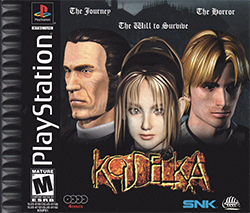
Over the years I heard positive things about Koudelka and was curious about it for a few reasons, being that it had a survival horror influence, it was the precursor to the Shadow Hearts series, and I heard it was a shorter RPG. With my gaming time a bit limited nowadays, I do see shorter experiences as a plus. This is a title that I wasn't aware of around the time of release, which is unfortunate, as this is right in my wheelhouse. However, with the Dreamcast already out and PS2 approaching, I can understand how this one was missed by myself and a lot of gamers. Over the summer I came across a copy at an expo I attended and decided to finally go for it.
The main protagonist, who the game is named after, feels a calling to the Nemeton mansion and decides to break in. While doing so, she loses an important pendant, and manages to run into another explorer named Edward, and saves him from being attacked. From here your adventure begins. The gampelay is an interesting mix. The controls, graphics, and exploration function in a similar manner to the early Resident Evil games. However, there are random encounters with a turn based grid battle system, more consistent with RPGs. There is also a RPG style menu system and you have access to a fairly small amount of inventory slots for this style of game, which I found more difficult to manage as the game progressed. The game also contains basic puzzles which are also reminiscent of the early RE games, requiring you to find a clue or item elsewhere in the mansion and backtracking to complete the puzzle and progress to a new area.
Koudelka also features two types of save points, which I found a bit odd, but I got used to. The first and more common are called "temporary" save points, which I think is a misleading term, but I would explain it as a lesser save point that does not regenerate your health and MP. The lesser common save points that completely refill your characters usually appear after a boss encounter. Also, in regard to the leveling system, your characters will level up quite quickly, after a few battles. With each level your health and MP are replenished, and you also receive stat points to distribute as you please. For my playthrough, I built Koudelka as a caster, Edward as a tank, and I also built James as a caster. I believe James can be successful in either build, so I'm curious how others handled their characters.
In regard to the graphics, I thought the graphics were pretty impressive for the PS1 era. The character models are in 3D and the backgrounds are pre-rendered, with many of the pre-rendered areas looking quite detailed and ornate. The monastery turned mansion has quite the decor, and I think the developers did a good job creating a variety of detailed environments. You will be traversing through sections of the mansion, underground tunnels, workshops and labs, and even a few outdoor areas around the mansion. Koudelka also contains quite a number of cutscenes, with some being on the longer side. Some of the cutscenes have FMV animations and others are done with the standard in-game graphics. In regard to the FMV scenes, the graphics here are pretty impressive for the time, and I think they're up there as some of the better looking cutscenes on the console. The music is a highlight here. Another aspect I should mention is the enemy and boss designs, there are some seriously creepy enemies! While most of the music is heard either in cutscenes or in battle, the compositions that are included are pretty stunning and are a great fit with the dark gothic atmosphere of the game. The battle music is also quite catchy, and even my partner came by to chime in that she liked it.
I do have a few criticisms of Koudelka to share. The first being that in some of the pre-rendered backgrounds, it's a bit dark and tough to figure out where you have to go next. Also, due to some of the camera angles sometimes it's difficult to see where a door or passage to the next area is located. Another facet that caught me off guard was the fact that weapons are breakable, and it seemed to happen pretty frequently for me. Due to this issue, I mostly used Edward as a bare-handed fighter, and would equip him with something stronger for boss encounters. Another nitpick I have is with the difficulty. In some regards, the game can be on the easier side, with leveling occurring at a pretty quick rate, but early in the game you can also run into really tough enemies that can easily kill you if you don't approach the battle properly. I'm fine with tougher regular enemies, but perhaps they shouldn't have been included in the first few rooms where your adventure starts.
Overall, I had a really good time with Koudelka and am glad I made the effort to play through it. The game has a few flaws, but overall I think most gamers that are fans of early survival horror games or the 32-bit generation of RPGs would enjoy this one. I definitely recommend checking this one out if you haven't! As for me, I'd like to try the first Shadow Hearts game to see how this series evolved.
2. Iridion II (GBA)*
3. Final Fantasy III (SNES)
4. Tenchu: Stealth Assassins (PS1)
5. Shockman Zero (SNES)
6. Suikoden (PS1)
7. Chiki Chiki Boys (GEN)
8. Altered Beast (GEN)
9. Jewel Master (GEN)
10. Fight'N Rage (NSW)
11. Lunar: Silver Star Story Complete (PS1)
12. Phantasy Star (SMS)
13. Super Metroid (SNES)
14. Double Dragon (Arcade)
15. Final Fight (Arcade)
16. Street Fighter II Turbo: Hyper Fighting (SNES)
17. Virtua Fighter 2 (SAT)
18. Yoshi's Story (N64)
19. Crusader of Centy (GEN)
20. Koudelka (PS1)
Over the years I heard positive things about Koudelka and was curious about it for a few reasons, being that it had a survival horror influence, it was the precursor to the Shadow Hearts series, and I heard it was a shorter RPG. With my gaming time a bit limited nowadays, I do see shorter experiences as a plus. This is a title that I wasn't aware of around the time of release, which is unfortunate, as this is right in my wheelhouse. However, with the Dreamcast already out and PS2 approaching, I can understand how this one was missed by myself and a lot of gamers. Over the summer I came across a copy at an expo I attended and decided to finally go for it.
The main protagonist, who the game is named after, feels a calling to the Nemeton mansion and decides to break in. While doing so, she loses an important pendant, and manages to run into another explorer named Edward, and saves him from being attacked. From here your adventure begins. The gampelay is an interesting mix. The controls, graphics, and exploration function in a similar manner to the early Resident Evil games. However, there are random encounters with a turn based grid battle system, more consistent with RPGs. There is also a RPG style menu system and you have access to a fairly small amount of inventory slots for this style of game, which I found more difficult to manage as the game progressed. The game also contains basic puzzles which are also reminiscent of the early RE games, requiring you to find a clue or item elsewhere in the mansion and backtracking to complete the puzzle and progress to a new area.
Koudelka also features two types of save points, which I found a bit odd, but I got used to. The first and more common are called "temporary" save points, which I think is a misleading term, but I would explain it as a lesser save point that does not regenerate your health and MP. The lesser common save points that completely refill your characters usually appear after a boss encounter. Also, in regard to the leveling system, your characters will level up quite quickly, after a few battles. With each level your health and MP are replenished, and you also receive stat points to distribute as you please. For my playthrough, I built Koudelka as a caster, Edward as a tank, and I also built James as a caster. I believe James can be successful in either build, so I'm curious how others handled their characters.
In regard to the graphics, I thought the graphics were pretty impressive for the PS1 era. The character models are in 3D and the backgrounds are pre-rendered, with many of the pre-rendered areas looking quite detailed and ornate. The monastery turned mansion has quite the decor, and I think the developers did a good job creating a variety of detailed environments. You will be traversing through sections of the mansion, underground tunnels, workshops and labs, and even a few outdoor areas around the mansion. Koudelka also contains quite a number of cutscenes, with some being on the longer side. Some of the cutscenes have FMV animations and others are done with the standard in-game graphics. In regard to the FMV scenes, the graphics here are pretty impressive for the time, and I think they're up there as some of the better looking cutscenes on the console. The music is a highlight here. Another aspect I should mention is the enemy and boss designs, there are some seriously creepy enemies! While most of the music is heard either in cutscenes or in battle, the compositions that are included are pretty stunning and are a great fit with the dark gothic atmosphere of the game. The battle music is also quite catchy, and even my partner came by to chime in that she liked it.
I do have a few criticisms of Koudelka to share. The first being that in some of the pre-rendered backgrounds, it's a bit dark and tough to figure out where you have to go next. Also, due to some of the camera angles sometimes it's difficult to see where a door or passage to the next area is located. Another facet that caught me off guard was the fact that weapons are breakable, and it seemed to happen pretty frequently for me. Due to this issue, I mostly used Edward as a bare-handed fighter, and would equip him with something stronger for boss encounters. Another nitpick I have is with the difficulty. In some regards, the game can be on the easier side, with leveling occurring at a pretty quick rate, but early in the game you can also run into really tough enemies that can easily kill you if you don't approach the battle properly. I'm fine with tougher regular enemies, but perhaps they shouldn't have been included in the first few rooms where your adventure starts.
Overall, I had a really good time with Koudelka and am glad I made the effort to play through it. The game has a few flaws, but overall I think most gamers that are fans of early survival horror games or the 32-bit generation of RPGs would enjoy this one. I definitely recommend checking this one out if you haven't! As for me, I'd like to try the first Shadow Hearts game to see how this series evolved.
Re: Games Beaten 2025
Previous Years: 2015 2016 2017 2018 2019 2020 2021 2022 2023 2024
First 50:
51. Galactic Civilizations II - PC
52. Alan Wake 2: The Lake House - PC
53. Rogue Flight - Switch
54. Tony Hawk's Pro Skater 3 - Gamecube
55. System Shock 2 Remastered - PC
56. Mechwarrior 5: Mercenaries: Shadow of Kerensky - PC
57. Hollow Knight: Silksong - Switch
58. Borderlands 4 - PC
59. Daemon x Machina: Titanic Scion - Switch 2
60. Cats Organized Neatly - PC
61. Cultic: Chapter Two - PC
62. Moros Protocol - PC
Moros Protocol is a roguelike shmup with persistent upgrades that will help make your future runs go better. It also features a heavily pixelated style that adds to the general grunginess of the environments. While you definitely are at the mercy of RNG in terms of how a run is going to go, the upgrades do make things more consistent.
The game is set on a derelict spaceship. You awake from cryo and discover that the ship is infested with monsters, which are also starting to cover the ship in biomass. Your goal is to escape. After your first inevitable death you do get informed of the fact that respawns are a narrative mechanic; your consciousness awakens in a new cryo body. However, the cutscenes around boss battles are not persistent; each one assumes it was the first time you've experienced it, so it's a weird inconsistency (especially since the respawning actually is story relevant once you get further in).
Initially, you start with a sword, and you have two extra slots for additional weapons. You move from room to room, looking for the teleporter to the next zone. Most rooms have a bunch of enemies; when you enter the room will lock down and you need to kill them all to exit again. Every zone will have at least one room with a weapon, as well as rooms with augments (equippable passives for yourself and your weapons) and occasionally a merchant. The weapons and merchants are behind doors that require keycards, which are randomly dropped. The overall layout of the game is three episodes; each one progressed through independently. Each episode consists of an intro stage, and then three sequences of stage, merchant, stage, boss. After the intro and after each boss you will have multiple paths to take, with each possible zone having some sort of modifier. One zone might have extra weapon rooms, while another might spawn extra money. There are limited connections between each tier of zones, so you'll want to plan a route that hopefully gets you the gear you need.
During a run you'll collect a currency that is used for the persistent power aspect. On the title screen you can spend this currency on a giant skill tree of various upgrades. These are all individually small effects, like an extra +2 max HP (including starting HP), or +50 to your ammo cap, but over time you will stack them to a level that makes a significant difference. There are a few really key ones: the first is the ability to spawn with a first tier gun in addition to your sword (and later on, a second tier gun). The second are the ones that add additional augment slots to your armor; these can be quite powerful and having more really improves your capabilities. The final one is a series of boosts to the amount healed of your medical syringes. This is your main source of healing in the game, and initially it only heals 30 HP (and you start with 100 HP max). By game's end you can have it heal 75 HP, and it makes a huge difference, as healing mid-combat is risky, and nothing is worse than healing a pittance, only to lose it all during your vulnerable period.
Overall, it's a pretty sold FPS if you like roguelike elements. The guns are a mixed bag, but the good ones are really good and satisfying, and figuring out how to best utilize the augments you get with the weapons you have is pretty fun. And sometimes you get that really broken combo that just melts things in your path. One really nice thing is that both melee and guns are viable; in my winning run on the third zone I ended up meleeing through all the regular enemies and then swapped to a tricked out gun for the boss (but the augments were risk/reward and not as well suited for regular enemies).
First 50:
52. Alan Wake 2: The Lake House - PC
53. Rogue Flight - Switch
54. Tony Hawk's Pro Skater 3 - Gamecube
55. System Shock 2 Remastered - PC
56. Mechwarrior 5: Mercenaries: Shadow of Kerensky - PC
57. Hollow Knight: Silksong - Switch
58. Borderlands 4 - PC
59. Daemon x Machina: Titanic Scion - Switch 2
60. Cats Organized Neatly - PC
61. Cultic: Chapter Two - PC
62. Moros Protocol - PC
Moros Protocol is a roguelike shmup with persistent upgrades that will help make your future runs go better. It also features a heavily pixelated style that adds to the general grunginess of the environments. While you definitely are at the mercy of RNG in terms of how a run is going to go, the upgrades do make things more consistent.
The game is set on a derelict spaceship. You awake from cryo and discover that the ship is infested with monsters, which are also starting to cover the ship in biomass. Your goal is to escape. After your first inevitable death you do get informed of the fact that respawns are a narrative mechanic; your consciousness awakens in a new cryo body. However, the cutscenes around boss battles are not persistent; each one assumes it was the first time you've experienced it, so it's a weird inconsistency (especially since the respawning actually is story relevant once you get further in).
Initially, you start with a sword, and you have two extra slots for additional weapons. You move from room to room, looking for the teleporter to the next zone. Most rooms have a bunch of enemies; when you enter the room will lock down and you need to kill them all to exit again. Every zone will have at least one room with a weapon, as well as rooms with augments (equippable passives for yourself and your weapons) and occasionally a merchant. The weapons and merchants are behind doors that require keycards, which are randomly dropped. The overall layout of the game is three episodes; each one progressed through independently. Each episode consists of an intro stage, and then three sequences of stage, merchant, stage, boss. After the intro and after each boss you will have multiple paths to take, with each possible zone having some sort of modifier. One zone might have extra weapon rooms, while another might spawn extra money. There are limited connections between each tier of zones, so you'll want to plan a route that hopefully gets you the gear you need.
During a run you'll collect a currency that is used for the persistent power aspect. On the title screen you can spend this currency on a giant skill tree of various upgrades. These are all individually small effects, like an extra +2 max HP (including starting HP), or +50 to your ammo cap, but over time you will stack them to a level that makes a significant difference. There are a few really key ones: the first is the ability to spawn with a first tier gun in addition to your sword (and later on, a second tier gun). The second are the ones that add additional augment slots to your armor; these can be quite powerful and having more really improves your capabilities. The final one is a series of boosts to the amount healed of your medical syringes. This is your main source of healing in the game, and initially it only heals 30 HP (and you start with 100 HP max). By game's end you can have it heal 75 HP, and it makes a huge difference, as healing mid-combat is risky, and nothing is worse than healing a pittance, only to lose it all during your vulnerable period.
Overall, it's a pretty sold FPS if you like roguelike elements. The guns are a mixed bag, but the good ones are really good and satisfying, and figuring out how to best utilize the augments you get with the weapons you have is pretty fun. And sometimes you get that really broken combo that just melts things in your path. One really nice thing is that both melee and guns are viable; in my winning run on the third zone I ended up meleeing through all the regular enemies and then swapped to a tricked out gun for the boss (but the augments were risk/reward and not as well suited for regular enemies).
Blizzard Entertainment Software Developer - All comments and views are my own and not representative of the company.
-
PartridgeSenpai

- Next-Gen
- Posts: 3187
- Joined: Mon Dec 14, 2015 9:27 am
- Location: Northern Japan
Re: Games Beaten 2025
Partridge Senpai's 2025 Beaten Games:
Previously: 2016 2017 2018 2019 2020 2021 2022 2023 2024
* indicates a repeat
1~50
51~100
101. Rayman 2: The Great Escape (N64)
102. Bio Miracle Bokutte Upa (Famicom)
103. Panic Restaurant (NES)
104. Mr. Gimmick (NES)
105. Bucky O'Hare (NES)
106. Wheel of Fortune (N64)
107. Resident Evil 2 (PS1)
A few years back, I found the ASCII-made Resident Evil controller for cheap locally. I’m not a big horror fan, but I am a big fan of weird controllers, so there was no way I was passing this glorious weirdo up for the price I found it at. However, now that I had the controller, it only made sense to use it to play the game it was made for. I played through the original Biohazard that year with it, and while I didn’t love that game, I enjoyed it enough to the point where I hunted down Biohazard 2 as quick as I could, since it was something I wanted more of. It clearly wasn’t something I wanted more of nearly enough, though, as it took me until this year to finally get around to playing it XD. I was originally only going to do Claire’s route as I wasn’t enjoying my first time through the game terribly much at the start. However, the gameplay loop really began to grow on me as I spent more time with it, and I ended up playing through Leon’s B route as well, because it really didn’t feel like I’d had a complete experience with the game only finishing one A route. Playing the original Japanese release of the game, Biohazard 2, I finished Claire’s A route with a B rank (6:26:52 clear time & 25 saves) and Leon’s B route with a B rank as well (5:38:20 clear time & 17 saves), and the whole thing took me about 17-ish hours in total.
Resident Evil 2 picks up around where the first game leaves off. The STARS team may have cleared things up at the Spencer Mansion, but that was nowhere close to the end of the zombie outbreak. The infection has spread to the nearby town of Raccoon City, and the entire town has fallen to a chaotic storm of undead in a matter of days. Enter two new faces. One is Leon Kennedy, a member of the Raccoon City Police Department who is having a very troubled first day on the job, and the other is Claire Redfield, the sister of Chris Redfield from the first game here to look for her brother after he vanished following the end of the last game. Quickly realizing just what an awful state the city is in, the pair team up to try and not just find out what’s going on, but also get out of all this alive. They’re quickly split up, however, and each has their respective (sorta) route through all the madness with their own respective troubles (which differ depending on whose route you play first).
It’s not a great, introspective work of fiction or anything, but I think the story of RE2 is a fairly strong one, at least for the genre they’re shooting for. The sense of isolation provided by the locations is really well executed, but that doesn’t mean they completely sacrifice character interactions either. Claire’s interactions with Sherry and Leon’s with Ada add a lot of life to both the characters and the story, and it makes for a really satisfying and well-paced horror action story from start to finish (even and especially if you do the B route too).
The gameplay is a very solid evolution and expansion on the survival horror gameplay that the first game helped to pioneer so well. You’ve still got resource management, puzzle solving, and exploration as key features. Alongside that, you’ve also got the combat with its auto-aim and tank controls taking you through the famous fixed-camera angle environments of Raccoon City. Though the tank controls get some getting used to, especially for anyone unfamiliar with them, a lot of the action is actually pretty well executed and fun to optimize your way through. The reason my final play time is so wildly off from those final clear times isn’t down to a bunch of game overs or anything. I was resetting quite frequently to get past monsters and obstacles more efficiently since I was always worried about running out of resources. A lot of my worrying turned out to generally be unwarranted, but it definitely added to the horror experience of the whole thing, I suppose. Experimenting with which zombies and monsters can be run past and which ones you’re better off blasting your way through is a very novel and fun mental exercise, and it’s also one that compliments the horror aspects well too.
It’s honestly very weird talking about this game, because it’s not trying to be a good “action” experience, per se, so much as it is trying to be a good horror experience. Thankfully, I’d say the game is ultimately more than the sum of its parts regardless of how solid the sum of those parts is in the first place. The resource management, stiff control, and enemy design make for a really tense and well executed horror game when combined with how the level design is handled. Though the game gets more linear after the winding puzzles and key collecting of the initial police station, the way the police station (among other places) will change as you advance through the story does a great job at keeping you on your toes despite your growing familiarity with the location.
This is something that extends to the B route as well, I was very happy to discover. Claire and Leon are going through all this at the same time. Though it doesn’t really make chronological sense, you can continue your save file after finishing your first playthrough to play the B (or “back” to the A route’s “front”) route that the other character allegedly went through during your A route playthrough. Not only does it change the start of the game and how you enter the police station, and not only are there a few different locations and characters to meet between each character’s respective A routes in the first place, but there are also some quite significant and genuinely new story aspects to the B route that the A route never even touches on (like how it handles Mr. X, the big monster made internet famous with how he was handled in the RE2 Remake).
There are even some neat bits of interconnectivity between the two routes as well that make for some cool aspects of replayability too. Playing one route is cool, but I definitely think that all the advice I heard over the years to do both routes A and B was right on the money. It’s a really satisfying experience to get familiar with the city and its puzzles only to be thrown for a big loop all over again with how the B route consistently both rewards and confounds your familiarity with the setting, and it’s not hard to see why this game has been lauded for this mechanic’s execution for so many years.
The aesthetics of the game are really well done as well, especially when you measure them against this being a horror game. The graphics are quite good for a PS2 game, and they have a really nice retro charm to them (even if the prerendered CG scenes can look a bit funky here and there). The human models are well animated enough, and the monsters and zombies are well designed and iconic as well, but the big star of the show here is the fixed camera angles, imo. They do a fantastic job complimenting the sense of panic and claustrophobia that the game’s other horror aspects lend themselves towards so well, and the prerendered backdrops are both pretty and do a good job of letting you know what’s interactable with and what’s just part of the scenery.
The sound design is another huge winner for this game, though. While the music is good, you won’t be hearing much of it outside of a few particularly tense scenes that call for it. Most of the game is very quiet because you’re going to need it to listen for the zombies and monsters lurking around just outside where you can see on the camera. Whether it’s a shambling zombies footsteps and moans or the steady breathing of a licker, the sound design both letting you know where enemies are (especially playing the game with headphones like I did) as well as making every time you enter a new room a fun and tense moment of discovery. I’m frankly even willing to go to bat for the voice acting in this game too. While it’s certainly campy, I think it’s very effective at building the atmosphere they’re going for, and some performances (particularly Leon and Ada’s) are genuinely really good. It does a great job at building a story that’s both serious in stakes and emotions but silly in tone, and it’s one more thing about the game to love~.
Verdict: Highly Recommended. Overall, though I’d say it definitely won’t be for everyone due to the tank controls and scary parts (this game once gave me a jump scare so bad that I was worried I pulled a core muscle XP), RE2 does a fantastic job of reimagining RE1’s core design aspects into something both familiar yet constantly novel and new. It’s not going to convert anyone who already wasn’t at least a bit on board for the experience with the first game, but it’s something that any fan of the first game is going to love the heck out of for sure. My partner has said to me that RE2 is a “masterclass in horror gameplay design”, and now that I’m done with it, those are words I have a very hard time disagreeing with. It’s scary and tense in a fun way to play, and I’m really glad that I finally got off my butt and played through it~ (even though I’m usually a big baby when it comes to horror stuff X3).
Previously: 2016 2017 2018 2019 2020 2021 2022 2023 2024
* indicates a repeat
1~50
102. Bio Miracle Bokutte Upa (Famicom)
103. Panic Restaurant (NES)
104. Mr. Gimmick (NES)
105. Bucky O'Hare (NES)
106. Wheel of Fortune (N64)
107. Resident Evil 2 (PS1)
A few years back, I found the ASCII-made Resident Evil controller for cheap locally. I’m not a big horror fan, but I am a big fan of weird controllers, so there was no way I was passing this glorious weirdo up for the price I found it at. However, now that I had the controller, it only made sense to use it to play the game it was made for. I played through the original Biohazard that year with it, and while I didn’t love that game, I enjoyed it enough to the point where I hunted down Biohazard 2 as quick as I could, since it was something I wanted more of. It clearly wasn’t something I wanted more of nearly enough, though, as it took me until this year to finally get around to playing it XD. I was originally only going to do Claire’s route as I wasn’t enjoying my first time through the game terribly much at the start. However, the gameplay loop really began to grow on me as I spent more time with it, and I ended up playing through Leon’s B route as well, because it really didn’t feel like I’d had a complete experience with the game only finishing one A route. Playing the original Japanese release of the game, Biohazard 2, I finished Claire’s A route with a B rank (6:26:52 clear time & 25 saves) and Leon’s B route with a B rank as well (5:38:20 clear time & 17 saves), and the whole thing took me about 17-ish hours in total.
Resident Evil 2 picks up around where the first game leaves off. The STARS team may have cleared things up at the Spencer Mansion, but that was nowhere close to the end of the zombie outbreak. The infection has spread to the nearby town of Raccoon City, and the entire town has fallen to a chaotic storm of undead in a matter of days. Enter two new faces. One is Leon Kennedy, a member of the Raccoon City Police Department who is having a very troubled first day on the job, and the other is Claire Redfield, the sister of Chris Redfield from the first game here to look for her brother after he vanished following the end of the last game. Quickly realizing just what an awful state the city is in, the pair team up to try and not just find out what’s going on, but also get out of all this alive. They’re quickly split up, however, and each has their respective (sorta) route through all the madness with their own respective troubles (which differ depending on whose route you play first).
It’s not a great, introspective work of fiction or anything, but I think the story of RE2 is a fairly strong one, at least for the genre they’re shooting for. The sense of isolation provided by the locations is really well executed, but that doesn’t mean they completely sacrifice character interactions either. Claire’s interactions with Sherry and Leon’s with Ada add a lot of life to both the characters and the story, and it makes for a really satisfying and well-paced horror action story from start to finish (even and especially if you do the B route too).
The gameplay is a very solid evolution and expansion on the survival horror gameplay that the first game helped to pioneer so well. You’ve still got resource management, puzzle solving, and exploration as key features. Alongside that, you’ve also got the combat with its auto-aim and tank controls taking you through the famous fixed-camera angle environments of Raccoon City. Though the tank controls get some getting used to, especially for anyone unfamiliar with them, a lot of the action is actually pretty well executed and fun to optimize your way through. The reason my final play time is so wildly off from those final clear times isn’t down to a bunch of game overs or anything. I was resetting quite frequently to get past monsters and obstacles more efficiently since I was always worried about running out of resources. A lot of my worrying turned out to generally be unwarranted, but it definitely added to the horror experience of the whole thing, I suppose. Experimenting with which zombies and monsters can be run past and which ones you’re better off blasting your way through is a very novel and fun mental exercise, and it’s also one that compliments the horror aspects well too.
It’s honestly very weird talking about this game, because it’s not trying to be a good “action” experience, per se, so much as it is trying to be a good horror experience. Thankfully, I’d say the game is ultimately more than the sum of its parts regardless of how solid the sum of those parts is in the first place. The resource management, stiff control, and enemy design make for a really tense and well executed horror game when combined with how the level design is handled. Though the game gets more linear after the winding puzzles and key collecting of the initial police station, the way the police station (among other places) will change as you advance through the story does a great job at keeping you on your toes despite your growing familiarity with the location.
This is something that extends to the B route as well, I was very happy to discover. Claire and Leon are going through all this at the same time. Though it doesn’t really make chronological sense, you can continue your save file after finishing your first playthrough to play the B (or “back” to the A route’s “front”) route that the other character allegedly went through during your A route playthrough. Not only does it change the start of the game and how you enter the police station, and not only are there a few different locations and characters to meet between each character’s respective A routes in the first place, but there are also some quite significant and genuinely new story aspects to the B route that the A route never even touches on (like how it handles Mr. X, the big monster made internet famous with how he was handled in the RE2 Remake).
There are even some neat bits of interconnectivity between the two routes as well that make for some cool aspects of replayability too. Playing one route is cool, but I definitely think that all the advice I heard over the years to do both routes A and B was right on the money. It’s a really satisfying experience to get familiar with the city and its puzzles only to be thrown for a big loop all over again with how the B route consistently both rewards and confounds your familiarity with the setting, and it’s not hard to see why this game has been lauded for this mechanic’s execution for so many years.
The aesthetics of the game are really well done as well, especially when you measure them against this being a horror game. The graphics are quite good for a PS2 game, and they have a really nice retro charm to them (even if the prerendered CG scenes can look a bit funky here and there). The human models are well animated enough, and the monsters and zombies are well designed and iconic as well, but the big star of the show here is the fixed camera angles, imo. They do a fantastic job complimenting the sense of panic and claustrophobia that the game’s other horror aspects lend themselves towards so well, and the prerendered backdrops are both pretty and do a good job of letting you know what’s interactable with and what’s just part of the scenery.
The sound design is another huge winner for this game, though. While the music is good, you won’t be hearing much of it outside of a few particularly tense scenes that call for it. Most of the game is very quiet because you’re going to need it to listen for the zombies and monsters lurking around just outside where you can see on the camera. Whether it’s a shambling zombies footsteps and moans or the steady breathing of a licker, the sound design both letting you know where enemies are (especially playing the game with headphones like I did) as well as making every time you enter a new room a fun and tense moment of discovery. I’m frankly even willing to go to bat for the voice acting in this game too. While it’s certainly campy, I think it’s very effective at building the atmosphere they’re going for, and some performances (particularly Leon and Ada’s) are genuinely really good. It does a great job at building a story that’s both serious in stakes and emotions but silly in tone, and it’s one more thing about the game to love~.
Verdict: Highly Recommended. Overall, though I’d say it definitely won’t be for everyone due to the tank controls and scary parts (this game once gave me a jump scare so bad that I was worried I pulled a core muscle XP), RE2 does a fantastic job of reimagining RE1’s core design aspects into something both familiar yet constantly novel and new. It’s not going to convert anyone who already wasn’t at least a bit on board for the experience with the first game, but it’s something that any fan of the first game is going to love the heck out of for sure. My partner has said to me that RE2 is a “masterclass in horror gameplay design”, and now that I’m done with it, those are words I have a very hard time disagreeing with. It’s scary and tense in a fun way to play, and I’m really glad that I finally got off my butt and played through it~ (even though I’m usually a big baby when it comes to horror stuff X3).
I identify everyone via avatar, so if you change your avatar, I genuinely might completely forget who you are. -- Me
-
RobertAugustdeMeijer
- 64-bit
- Posts: 328
- Joined: Fri Sep 02, 2022 10:15 am
Re: Games Beaten 2025
59:
Deus Ex Machina
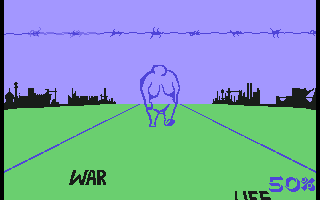
Life is distilled into 48k of ram and 45 minutes of mini-games. The results are what you would expect. It's weird, it's ambitious, it's even at times mesmerizing. Mostly due to witnessing so much talent being crammed into such a limited medium. Since the second cassette must continue to play on (for music and oration), you'll always see everything what this "game" has to offer. The only thing you can alter is the "score". This is usually done by making objects touch objects, or by avoiding them. Oddly, a higher score doesn't feel better than a low one. But maybe that's the message: don't treat life like a game to win or lose, but instead keep an open mind and enjoy the music while it's still playing.
7/10
Here's a full playthrough to see and listen to what this is. Yes, that's the Third Doctor's voice!
https://www.youtube.com/watch?v=MqSqRq0jKvg
Deus Ex Machina
Life is distilled into 48k of ram and 45 minutes of mini-games. The results are what you would expect. It's weird, it's ambitious, it's even at times mesmerizing. Mostly due to witnessing so much talent being crammed into such a limited medium. Since the second cassette must continue to play on (for music and oration), you'll always see everything what this "game" has to offer. The only thing you can alter is the "score". This is usually done by making objects touch objects, or by avoiding them. Oddly, a higher score doesn't feel better than a low one. But maybe that's the message: don't treat life like a game to win or lose, but instead keep an open mind and enjoy the music while it's still playing.
7/10
Here's a full playthrough to see and listen to what this is. Yes, that's the Third Doctor's voice!
https://www.youtube.com/watch?v=MqSqRq0jKvg
-
TheSSNintendo

- 128-bit
- Posts: 669
- Joined: Mon Jul 11, 2011 10:27 pm
Re: Games Beaten 2025
Warriors of Fate (Arcade/Switch)
Re: Games Beaten 2025
1. Streets of Rage 3 (GEN)*
2. Iridion II (GBA)*
3. Final Fantasy III (SNES)
4. Tenchu: Stealth Assassins (PS1)
5. Shockman Zero (SNES)
6. Suikoden (PS1)
7. Chiki Chiki Boys (GEN)
8. Altered Beast (GEN)
9. Jewel Master (GEN)
10. Fight'N Rage (NSW)
11. Lunar: Silver Star Story Complete (PS1)
12. Phantasy Star (SMS)
13. Super Metroid (SNES)
14. Double Dragon (Arcade)
15. Final Fight (Arcade)
16. Street Fighter II Turbo: Hyper Fighting (SNES)
17. Virtua Fighter 2 (SAT)
18. Yoshi's Story (N64)
19. Crusader of Centy (GEN)
20. Koudelka (PS1)
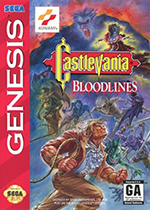
21. Castlevania: Bloodlines (GEN)
I picked up Castlevania: Bloodlines about five years ago and have tried on and off over the years to beat the game, unsuccessfully. While I am a fan of the series, admittedly I'm not as good at the games as I would like to be, but I'm working on it. Last year, I got pretty far into the game, so this year for Halloween season, I wanted to give it another go. I'm quite happy that I was able to finally beat it!
Gameplay wise, Castlevania: Bloodlines plays much like the classic action-platforming Castlevania titles released earlier in the series, with a bit of a twist. There are two protagonists to choose from this time around, one with the whip that we're used to, and a second protagonist who uses a spear. For this playthrough, I played as John Morris, the protagonist that uses a whip as his main weapon. Similar to the previous titles, you have the ability to power up your whip and can unleash a nice amount of damage with it, if you're able to power it up all the way without taking any damage. You'll traverse through six levels, with a few offering alternative paths, based on the character chosen. The difficulty is fairly tough here and as mentioned earlier it took me a good amount of play sessions over the last few years to get decent at the game. Luckily, there is a password system, so you can continue at the beginning of the stage where you have last left off.
Graphics wise, there are some nice graphical effects with the levels and some great boss and enemy designs. You'll automatically notice the reflection effect of the water in Stage 2 and later on in the game, the boss fight at the top of the tower in Stage 3 with a pseudo 3D rotating effect, is another impressive visual outing. Konami has opted for smaller main character sprites, which I'm fine with, as the sprites are still fairly detailed, but the sprites for the bosses are very impressive. The Gargoyle Bat, Gear Steamer, the Golem, the Princess of Moth, Death, and Dracula's various forms are all outstanding. Konami did a nice job of working within the color palette limitations of the console. You'll also have to deal with some challenging graphical effects in the later levels that are a bit disorienting, but can be managed with some practice.
The soundtrack is another impressive aspect of Bloodlines, with a lot of great and catchy songs that fit perfectly with the theme of the game. Michiru Yamane, the composer for Bloodlines had created music for other titles released by Konami, but this was her first time working on the Castlevania series. I think she did a great job and put together one of the stronger soundtracks on the console. She later went on to compose for Castlevania: Symphony of the Night. My favorite track in the game is probably from Stage 2, titled "The Sinking Old Sanctuary" but the track titled "Calling from Heaven" in Stage 6 is also pretty epic.
Overall, Castlevania: Bloodlines is a fun and challenging action platformer that I think is one of the best games on the Genesis. Any fan of the genre, series, or console should check it out. It's unfortunate that Bloodlines ended up being the only exclusive game to appear on a Sega console, as I feel the fans deserved unique follow ups on the Saturn and Dreamcast. As for me, I'd like to play through this game again as Eric and finally give SOTN a go! Definitely check this game out if you haven't already!
2. Iridion II (GBA)*
3. Final Fantasy III (SNES)
4. Tenchu: Stealth Assassins (PS1)
5. Shockman Zero (SNES)
6. Suikoden (PS1)
7. Chiki Chiki Boys (GEN)
8. Altered Beast (GEN)
9. Jewel Master (GEN)
10. Fight'N Rage (NSW)
11. Lunar: Silver Star Story Complete (PS1)
12. Phantasy Star (SMS)
13. Super Metroid (SNES)
14. Double Dragon (Arcade)
15. Final Fight (Arcade)
16. Street Fighter II Turbo: Hyper Fighting (SNES)
17. Virtua Fighter 2 (SAT)
18. Yoshi's Story (N64)
19. Crusader of Centy (GEN)
20. Koudelka (PS1)
21. Castlevania: Bloodlines (GEN)
I picked up Castlevania: Bloodlines about five years ago and have tried on and off over the years to beat the game, unsuccessfully. While I am a fan of the series, admittedly I'm not as good at the games as I would like to be, but I'm working on it. Last year, I got pretty far into the game, so this year for Halloween season, I wanted to give it another go. I'm quite happy that I was able to finally beat it!
Gameplay wise, Castlevania: Bloodlines plays much like the classic action-platforming Castlevania titles released earlier in the series, with a bit of a twist. There are two protagonists to choose from this time around, one with the whip that we're used to, and a second protagonist who uses a spear. For this playthrough, I played as John Morris, the protagonist that uses a whip as his main weapon. Similar to the previous titles, you have the ability to power up your whip and can unleash a nice amount of damage with it, if you're able to power it up all the way without taking any damage. You'll traverse through six levels, with a few offering alternative paths, based on the character chosen. The difficulty is fairly tough here and as mentioned earlier it took me a good amount of play sessions over the last few years to get decent at the game. Luckily, there is a password system, so you can continue at the beginning of the stage where you have last left off.
Graphics wise, there are some nice graphical effects with the levels and some great boss and enemy designs. You'll automatically notice the reflection effect of the water in Stage 2 and later on in the game, the boss fight at the top of the tower in Stage 3 with a pseudo 3D rotating effect, is another impressive visual outing. Konami has opted for smaller main character sprites, which I'm fine with, as the sprites are still fairly detailed, but the sprites for the bosses are very impressive. The Gargoyle Bat, Gear Steamer, the Golem, the Princess of Moth, Death, and Dracula's various forms are all outstanding. Konami did a nice job of working within the color palette limitations of the console. You'll also have to deal with some challenging graphical effects in the later levels that are a bit disorienting, but can be managed with some practice.
The soundtrack is another impressive aspect of Bloodlines, with a lot of great and catchy songs that fit perfectly with the theme of the game. Michiru Yamane, the composer for Bloodlines had created music for other titles released by Konami, but this was her first time working on the Castlevania series. I think she did a great job and put together one of the stronger soundtracks on the console. She later went on to compose for Castlevania: Symphony of the Night. My favorite track in the game is probably from Stage 2, titled "The Sinking Old Sanctuary" but the track titled "Calling from Heaven" in Stage 6 is also pretty epic.
Overall, Castlevania: Bloodlines is a fun and challenging action platformer that I think is one of the best games on the Genesis. Any fan of the genre, series, or console should check it out. It's unfortunate that Bloodlines ended up being the only exclusive game to appear on a Sega console, as I feel the fans deserved unique follow ups on the Saturn and Dreamcast. As for me, I'd like to play through this game again as Eric and finally give SOTN a go! Definitely check this game out if you haven't already!

Re: Games Beaten 2025
Big fan of this, Contra Hard Corps (US), and Rocket Knight Adventures for Konami stuff on the Genesis. The soundtrack is pretty great, and a few tracks from it were redone for Castlevania Rebirth, which was cool. I don't know if I ever actually beat the game as Morris, personally. I think I have, but I'm not positive. Eric is an infinitely easier playthrough, and a little bit more interesting to play as for me. I might feel differently if I had ever gotten better at the whip swinging stuff, though.
I almost can't believe you still have the best metroidvania there will ever be left to play. Have you played Rondo before?
_____________________________________
Steam (and other) keys for trade/free: viewtopic.php?p=1189267#p1189267
B/S/T Thread: viewtopic.php?p=1188724#p1188724
Steam (and other) keys for trade/free: viewtopic.php?p=1189267#p1189267
B/S/T Thread: viewtopic.php?p=1188724#p1188724